


24/01/2026
In packaging printing, choosing the right paper is a key determinant of final product quality. The right material influences not only aesthetics and perceived value but also structural integrity, product protection, production efficiency, cost optimization, and overall market competitiveness.
This article introduces common paper types in the packaging printing industry, focusing on their technical characteristics, advantages and limitations, as well as real-world applications. It aims to provide practical reference information to help businesses and aspiring designers select appropriate printing material papers and structural material papers, optimized for specific product categories and usage requirements.
© 2026 Newlifepack Co., Ltd. All rights reserved.
Content may be shared for reference with proper attribution to Newlifepack.
1. Paper
1.1. Ford Paper
1.2. Couche Paper
1.3. Kraft Paper
1.4. Art Paper
1.5. Metalized Paper
2. Paperboard
2.1. Ivory Board
2.2. Duplex Board
2.3. Bristol Board
3. Corrugated Board
4. Chipboard
5. FSC®-Certified Paper
In the packaging industry, paper is used not only for lightweight printed materials but also as the decorative wrap layer applied to rigid box structures and corrugated boxes. Typically ranging from 120–200 gsm, this paper grade is suitable for offset printing, mounting, and creating a smooth, refined surface for the finished box.
After printing, the paper surface may be enhanced with finishing techniques such as lamination, foil stamping, embossing/debossing, drip-off coating, and other effects before being mounted onto structural materials like chipboard or corrugated board to complete the box construction.
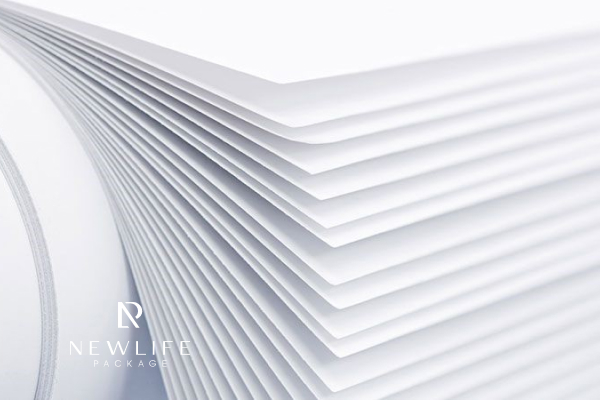
Ford Paper (Giấy Ford | 书写纸 / 道林纸) is an uncoated white or colored paper widely used for office printing, photocopying, textbooks, notebooks, and various writing applications. It is produced in a broad range of grammages, typically starting from 60 gsm, and comes in multiple colors such as white, light yellow, pink, blue, and others—offering versatility for different uses.
Its surface has a light, natural tooth with a non-glossy finish and a relatively high whiteness level, providing comfortable readability and excellent suitability for handwriting. Because most of the lignin is removed during pulp processing, Ford paper is also less prone to yellowing during long-term storage.
However, as an uncoated paper, it absorbs ink more readily, resulting in lower color vibrancy compared to coated papers. This characteristic also limits its performance in applications requiring high image detail or specialized surface effects. For this reason, Ford paper is rarely used as an exterior wrap layer in packaging production; instead, it is more commonly applied as an inner lining (liner) within rigid or folded box structures.
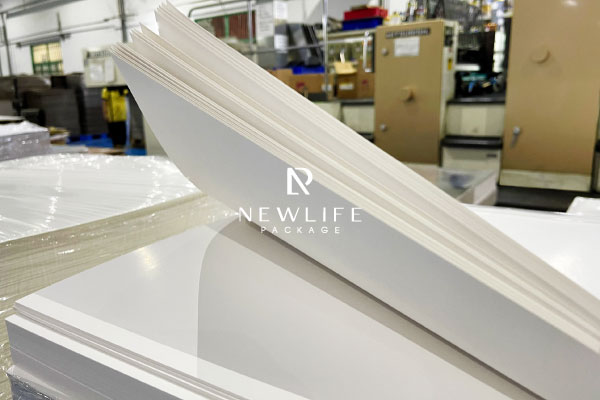
Couche Paper (Giấy Couche | 铜版纸) — derived from the French term papier couché — is a coated paper whose surface is covered with one or more layers of mineral coatings, typically kaolin, calcium carbonate, and binding agents, followed by calendering to achieve a smooth, bright, and low-absorbency finish. This coating technology enables sharper image reproduction and more vibrant color output, making Couche paper particularly suitable for offset printing, catalogs, brochures, and certain types of lightweight packaging.
 Quick Comparison: Couche Matte vs. Ford Paper
| Criteria | Couche Matte Paper | Ford Paper |
|---|---|---|
| Surface Structure | Matte coated surface | Uncoated surface |
| Smoothness | Flat, fine, and non-glossy surface | Rougher, more porous texture, non-glossy |
| Thickness (at equal GSM) | Feels stiffer and heavier | Feels softer and lighter |
| Print Color Quality | Produces vibrant, rich, high-contrast colors | Produces softer, less saturated tones due to higher ink absorption |
| Writeability | Difficult to write on; ink may smudge | Easy to write on; commonly used for letterheads, envelopes, sticky notes, etc. |
| Cost | Higher | Lower |
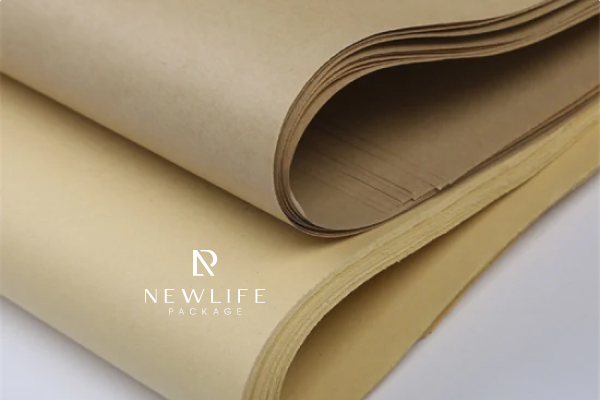
Kraft Paper (Giấy Kraft | 牛皮纸) is an uncoated paper or board characterized by its natural brown color and high strength. Manufactured through the kraft process—from unbleached kraft pulp—it retains the long cellulose fibers that give it superior mechanical durability compared to many other paper types.
Its surface is slightly rough and absorbs ink quickly, making it suitable for monochrome printing, low-complexity graphics, or handcrafted designs with a rustic aesthetic. Because it lacks a coating layer, offset printing or complex color reproduction may present challenges in sharpness and vibrancy. In high-humidity environments, it is advisable to use moisture-resistant grades or apply a protective coating.
Kraft paper is highly regarded for its environmental friendliness—easy to recycle, biodegradable, and well aligned with brands committed to sustainable development.
Aesthetically, Kraft paper conveys a natural, minimalist, and sustainable look, making it a preferred choice for eco-boxes, organic product packaging, handicrafts, sustainable fashion, and premium foods where ecological values and an authentic tactile feel are prioritized. Beyond the natural brown variant, white-top kraft board is also available, featuring a white printable top layer for improved image and color reproduction while retaining the natural kraft layer on the reverse side or interior.
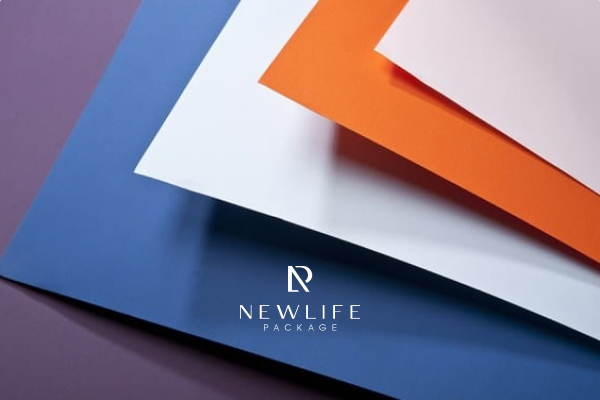
Art Paper (Giấy Mỹ Thuật | 美术纸 / 特种纸) is a premium printing paper distinguished by its wide range of colors, surface finishes, and textures, offering a refined tactile experience and enhanced aesthetic depth. Unlike conventional printing papers —such as couche, ivory, or duplex— which are typically white with smooth, glossy surfaces, art paper delivers a more expressive and sensorial quality. It is an ideal material for luxury packaging designs that emphasize creativity, sophistication, and brand identity.
Beyond its function as a printing substrate, Art Paper is crafted to evoke emotion at first sight and touch. Renowned brands such as Malmero, Canaletto, Modi Dore, and Stardream offer diverse options in color tones, light-reflective effects, and fiber structures, catering to distinct design styles. Art paper pairs exceptionally well with finishing techniques such as foil stamping and embossing, enabling the creation of elegant, high-end packaging outcomes.
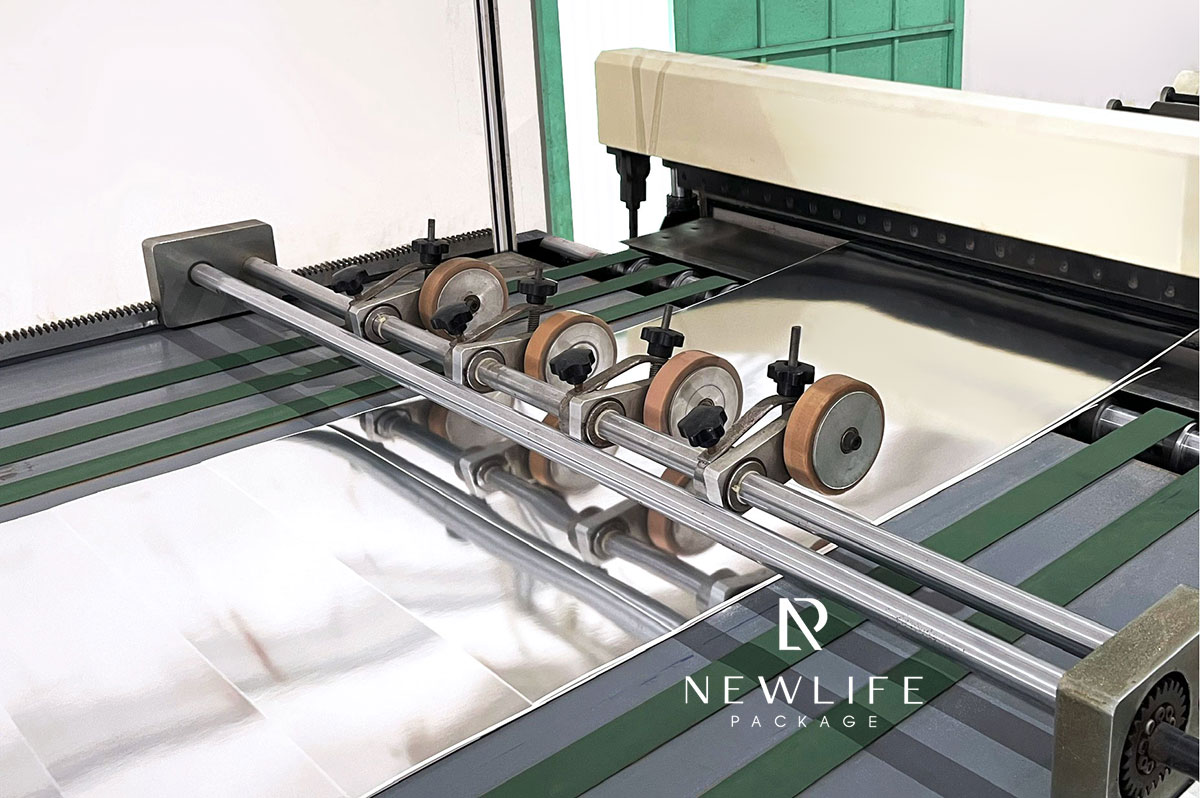
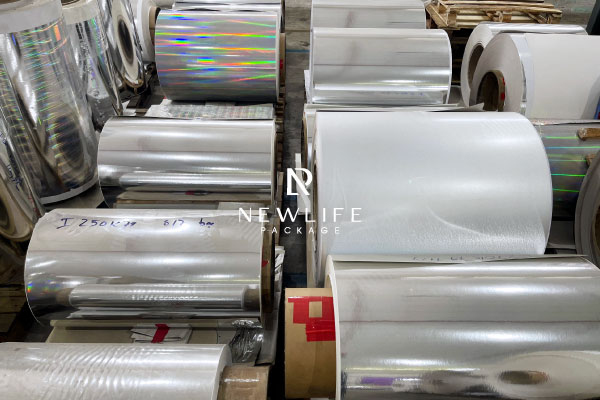
Metalized Paper (Giấy Metalize | 镀铝纸) is a paper material laminated with an ultra-thin metallic layer—typically aluminum—onto a smooth base paper such as couche, ivory, or kraft. This metallic layer creates an eye-catching reflective effect while enhancing light barrier properties and reducing moisture absorption, thereby improving product protection.
At lower grammages (120–250 gsm), Metalized Paper is commonly used as a lamination material for rigid boxes or corrugated packaging, and is widely applied in Tet gift boxes, Mooncake boxes, and premium cosmetic packaging.
At higher grammages (200–350 gsm), Metalized Board is used as a structural material for folding cartons, meeting both rigidity and aesthetic requirements in high-end packaging applications.
 At Newlifepack
Metalized paper is manufactured in-house using an advanced roll-to-roll lamination system equipped with a 12.5-meter drying tunnel. This setup ensures optimal control over temperature, speed, and pressure, allowing the metallic film to bond seamlessly with the paper substrate. The result is a flawlessly smooth surface, forming the perfect foundation for producing high-quality printed and laminated packaging that meets both aesthetic and technical excellence.
Paperboard (Giấy Bìa | 纸板类), also known as Cardboard, typically ranges from 230 – 400 gsm. It is thicker and mechanically stronger than regular paper and is commonly manufactured from one or multiple layers of pulp in a multi-ply structure.
The surface of paperboard may be coated to achieve high-quality offset printing or left uncoated for a natural, eco-friendly appearance. With excellent rigidity, foldability, die-cutting, and gluing properties, paperboard is the standard material used in producing folding boxes.
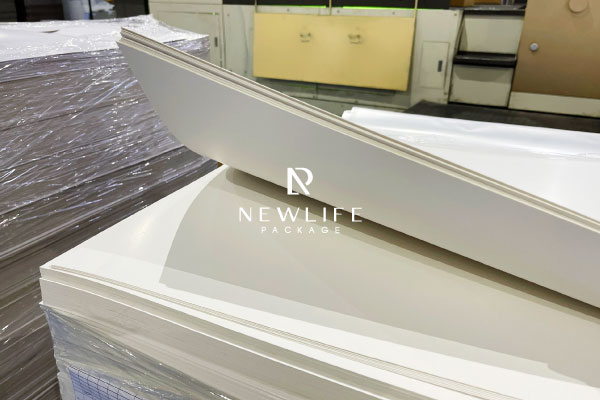
Ivory Board (Giấy Bìa Ivory | 单面白卡纸) is a one-side coated paper (C1S), typically finished with a semi-gloss or matte coating and characterized by its warm, ivory-white tone that conveys a refined, elegant appearance. Its smooth coated surface supports high-quality offset printing with sharp image reproduction. Despite being lightweight, it offers excellent stiffness, die-cutting performance, and foldability—providing a strong balance between cost and functionality.
Because of its naturally ivory-tinted base, Ivory Board may slightly reduce color vibrancy or shift the tone of printed graphics, especially with light colors or designs requiring pure white elements. Therefore, when printing light shades or white details, it is important to consider appropriate printing techniques, coatings, or lamination options to ensure color accuracy and the desired visual effect.
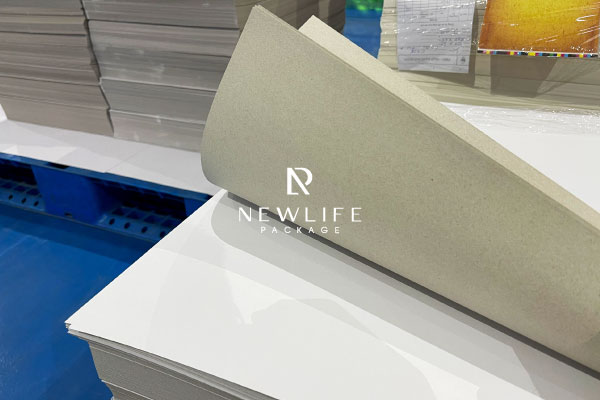
Duplex Board (Giấy Bìa Duplex | 灰底白板纸) is a two-layer paperboard in which one side is clay-coated for printing, while the reverse side is typically gray or white, depending on the grade. Duplex can be produced entirely from recycled pulp or blended with virgin fibers, offering a balanced solution between cost efficiency and print quality.
In folding carton production, Duplex generally ranges from 230 – 450 gsm and is widely used for fast-moving consumer goods (FMCG) such as toothpaste, soap, convenience foods, and essential household products—applications where cost effectiveness and functional performance are key priorities.
Compared to materials like couche or ivory, Duplex has lower ink receptivity, so it often requires gloss/ matte lamination or UV/ varnish coating to enhance durability, improve color vibrancy, and increase moisture resistance. Duplex is a popular choice for packaging that demands low cost, high production volume, and sufficient rigidity while still maintaining an acceptable level of visual appeal.
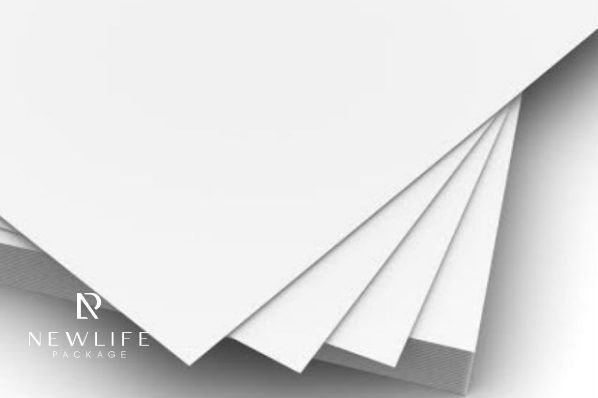
Bristol Board (Giấy Bìa Bristol | 布里斯托纸板 / 布里斯托卡纸) is a premium paperboard made primarily from virgin bleached pulp, offering high brightness, excellent stiffness, and a finely finished surface on both sides. With its densely compressed fiber structure and refined surface treatment, Bristol provides strong ink adhesion and precise color reproduction, making it suitable for high-quality offset printing.
Bristol typically features two sides with relatively even smoothness, though one-side coated variants are also available depending on application requirements. Produced in grammages ranging from 180 – 350 gsm, Bristol is an ideal choice for premium products and packaging such as cosmetics, pharmaceuticals, gourmet foods, and luxury gift materials.
In the Vietnamese market, Bristol Board is less common than couche, ivory, or duplex due to its higher cost and more limited supply, but it remains favored for printing projects that require high precision and elevated visual quality.
Quick Comparison: Common Types of Paper and Paperboard| Commercial Name | Technical Name | Composition & Key Characteristics | Notes & Typical Applications |
|---|---|---|---|
| Bristol 布里斯托尔纸 | SBS (Solid Bleached Sulfate) | Made from 100% virgin bleached pulp, double-coated for a smooth, white finish on both sides; delivers excellent print quality, high stiffness, and durability. | Premium-grade paperboard, ideal for cosmetic, pharmaceutical, and high-end food packaging. |
| Ivory 艾伐纸 / 艾沃纸 | FBB (Folding Box Board) | Multi-ply structure: mechanical pulp core with bleached chemical pulp layers on both sides; lightweight yet rigid, with a smooth white printing surface. | The most commonly used grade for cosmetics, food, and consumer product folding boxes. |
| Duplex 双层纸板 / 双面纸板 | CCNB (Clay Coated News Back) | One side clay-coated for printing; reverse side in gray or brown recycled fibers; economical with moderate strength and print quality. | Cost-effective option widely used for dry food, general consumer goods, and mass-market cartons. |
| Kraft 牛皮纸 | CUK (Coated Unbleached Kraft) | Produced from unbleached virgin pulp, optionally clay-coated for printing; strong, durable, with a natural and rustic texture. | Eco-friendly paperboard favored for sustainable or natural-themed packaging designs. |
| Coated 铜版纸 | (—) | Coated paper with a smooth glossy or matte surface; supports full-color printing and various finishing effects; often laminated for stiffness. | Considered a commercial-grade paperboard in Asia, comparable to thin FBB for high-quality printed folding boxes. |
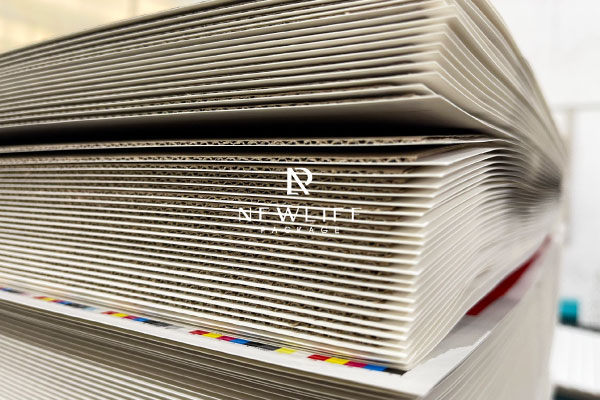
Corrugated Board (Bìa Sóng / Bìa Carton | 瓦楞纸板 / 纸箱板)—also known as Corrugated Fiberboard or Corrugated Cardboard—is a multi-layer packaging material formed by bonding sheets of containerboard into a sandwich-like structure. One or more fluted medium layers are positioned between flat linerboard sheets, creating a distinctive construction that provides excellent compression strength, bending resistance, and cushioning performance, ensuring effective protection of products during storage and transportation.
Common Flute Types| Flute Type | Flute Height (Approx.) | Key Characteristics | Typical Applications |
|---|---|---|---|
| A Flute | ~4.5 mm | Excellent cushioning and impact resistance | Heavy-duty shipping boxes, shock-resistant packaging |
| C Flute | ~3.5–4 mm | Balanced rigidity and compression strength | Standard shipping cartons, general commercial packaging |
| B Flute | ~2.5 mm | High crush resistance, smoother surface than A flute | Smaller cartons, stackable retail boxes |
| E Flute | ~1.5 mm | Smooth surface, lightweight, ideal for offset printing | Pizza boxes, food packaging, premium gift boxes |
| F Flute | ~0.8 mm | Ultra-thin, smooth surface, sharp print details | Luxury packaging, mini gift boxes, finely detailed cartons |
In the production of premium packaging, Corrugated Board is typically laminated with an outer decorative paper layer—such as couche paper, metalized paper, or art paper—that has been pre-printed and enhanced with finishing techniques including foil stamping, embossing, textured embossing, or lamination. This combination significantly enhances visual appeal and elevates the perceived value of the product.
Thanks to its flexibility, high durability, and outstanding cost efficiency, Corrugated Board and corrugated boxes have become the dominant packaging solution in modern commerce, particularly in retail and e-commerce. It can be said that the advent of corrugated boxes marked a major milestone in the packaging industry, fundamentally transforming global practices in product transportation, storage, and distribution.

Chipboard (灰板纸)—also known as Grayboard / Greyboard (Bìa xám / 实心纸板), and commonly referred to in Vietnam as Bìa Carton Lạnh (literally “cold carton board”, used to distinguish it from corrugated board)—is a rigid paperboard made from recycled pulp. It is uncoated and naturally grey on both sides. With high compression density, chipboard is typically manufactured in grammages ranging from 440 to 2,200 gsm, providing excellent rigidity, durability, and dimensional stability.
In premium packaging production, Chipboard is the standard structural material used for rigid box manufacturing. It is widely applied in the production of luxury packaging, corporate gift boxes, Mooncake boxes, Tet gift boxes, and other packaging formats that require high structural strength combined with refined aesthetics.
Due to its rough surface texture and limited color reproduction capability, Chipboard is not suitable for direct printing. Instead, it is typically laminated with an outer decorative paper layer—such as couche paper, metalized paper, or art paper—that has been pre-printed and enhanced with finishing techniques including foil stamping, embossing, textured embossing, or lamination, in order to enhance visual appeal and elevate the perceived value of the product.
At NewlifepackWe are among the few packaging manufacturers in Southern Vietnam equipped with a fully automated, large-scale chipboard rigid box production line, operating entirely in-house without subcontracting. This complete production autonomy allows us to produce hundreds to thousands of refined and distinctive rigid box designs each day — ranging from magnetic lid book-style boxes, premium shoulder boxes, to multi-tier or custom-engineered structures — fulfilling every requirement in functionality, durability, and visual sophistication.
FSC-Certified Paper (Giấy FSC | 认证纸) is paper produced and distributed within a supply chain certified by the Forest Stewardship Council (FSC)—an international nonprofit organization founded in 1993 to promote responsible forest management worldwide.
FSC certification ensures that the wood fibers come from responsibly managed forests that are traceable, do not contribute to deforestation or ecosystem harm, and comply with strict standards related to environmental protection, labor rights, and local community welfare.
FSC certification is granted to companies within the supply chain (paper mills, packaging manufacturers, printing facilities, etc.) when they maintain a compliant Chain of Custody (CoC) system that guarantees full traceability and prevents mixing with uncontrolled sources.
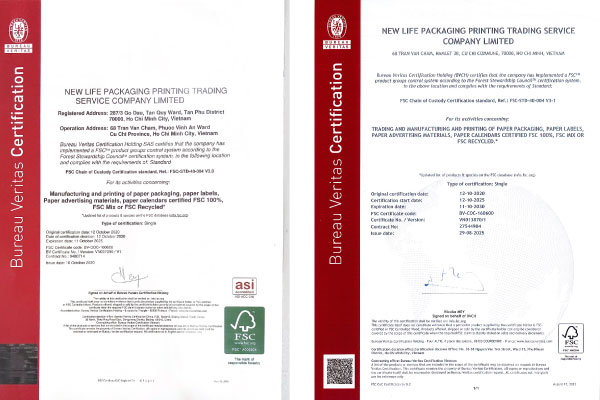
At NewlifepackWe are proud to be an FSC®-certified company, a clear testament to Newlifepack’s commitment to producing packaging from responsibly sourced, well-managed, and environmentally sustainable materials. This certification affirms our ongoing efforts toward sustainable development and our responsibility to protecting the planet.
Selecting the right paper is not only a matter of aesthetics but also a key factor that determines the durability, print performance, convertibility, and cost efficiency of packaging.
Each paper type — from glossy Couche, premium Ivory, natural Kraft, to rigid Chipboard — serves a distinct purpose and fits specific product categories and market segments.
At Newlifepack, we provide expert consultation and material optimization solutions tailored to every packaging project, ensuring the perfect balance between design intent, functional requirements, and production cost. Backed by a highly skilled technical team and a fully equipped in-house printing system, Newlifepack is committed to delivering professional, creative, and efficient packaging solutions that enhance the perceived value and brand identity of every client we serve..
Vietnam Paper Packaging Manufacturer (since 2008)
Certifications: ISO 9001:2015, ISO 14001:2015, GMI, GSV, FSC, SMETA
Industrial Design · Printing · Manufacturing
▸ Tet gift boxes, mooncake boxes, gift boxes, packaging boxes, custom packaging
▸ MOQ: rigid boxes 500–1,000, corrugated boxes 1,000–2,000, folding cartons >5,000
Core strengths: Rigid Boxes & Metalized Boxes
▸ High-quality offset printing & metalized printing on KOMORI Lithrone presses – USD 2 million investment
▸ Fully integrated rigid box (chipboard box) production line, no outsourcing
▸ Perfect metalized surface achieved through roll-to-roll lamination with pressure bonding and thermal curing
▸ Signature effects: metallic knockout, drip-off / sand-like, 3D embossing, sculpted foil stamping
Consultation · Quotation · Orders 68 Tran Van Cham Street, Cu Chi Commune, Ho Chi Minh City, Vietnam
 +84 28 3790 2768 |
  +84 828 44 9999 (+zalo)
 box@newlifepack.com (EN / 中文)
 newlifepack.com
 facebook.com/newlifepack


 Đã copy


