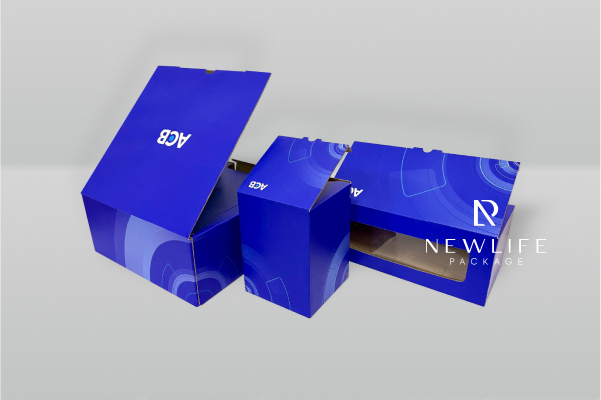
A Mailer Box is a type of paper-based packaging specifically designed for packing and delivering products directly to customers. This box style is particularly common in e-commerce, online retail, and Direct-to-Consumer (D2C) brands.
Mailer boxes are considered a packaging solution that ensures product protection throughout transportation while also effectively utilizing the box surface for printing and brand communication.
▸ Material
Mailer boxes are typically produced from corrugated cardboard or paperboard, depending on requirements related to product weight, structural strength, and the desired level of protection for the contents.
▸ Structure
The defining characteristic of a mailer box is its self-locking structure, featuring pre-designed flaps and locking tabs. This design allows the box to be securely closed without the use of adhesive tape, enabling faster packing operations while maintaining a clean and visually refined appearance.
▸ Terminology
In professional packaging terminology, “mailer box” does not refer to a single standardized box structure. Instead, it is a use-based term that describes boxes designed primarily for direct-to-customer shipping, especially in e-commerce and D2C distribution models.
Because there is no officially standardized technical equivalent for “mailer box” in Vietnamese packaging terminology, the term is commonly interpreted and translated in practice using various descriptive names, such as:
Delivery box
Mailing box / shipping box / COD box
E-commerce box
Tuck-flap box used for e-commerce
These terms emphasize the function, application context, and distribution purpose of the box, rather than indicating a specific structural design, FEFCO code, or manufacturing standard.
2. Functions of Mailer Boxes
Mailer boxes were developed to simultaneously meet logistics requirements and end-user experience expectations in the context of rapidly growing e-commerce. Unlike traditional shipping packaging—which primarily focuses on product protection and stackability throughout the logistics chain—mailer boxes are designed to fulfill multiple functional requirements in parallel.
The core functions of mailer boxes include:
Protecting products during transportation
Reducing packing time through simple and efficient assembly
Enhancing the unboxing experience for end customers
Maximizing printable surface area and brand communication effectiveness
The convergence of these functions reflects a fundamental shift in packaging design philosophy: from viewing packaging solely as a protective layer, to recognizing it as an integral part of the product, the consumer experience, and brand communication.
In this context, mailer boxes are no longer merely an alternative to conventional shipping boxes. Instead, they have become a default packaging solution in many modern e-commerce systems, particularly within D2C (Direct-to-Consumer) and online retail business models.
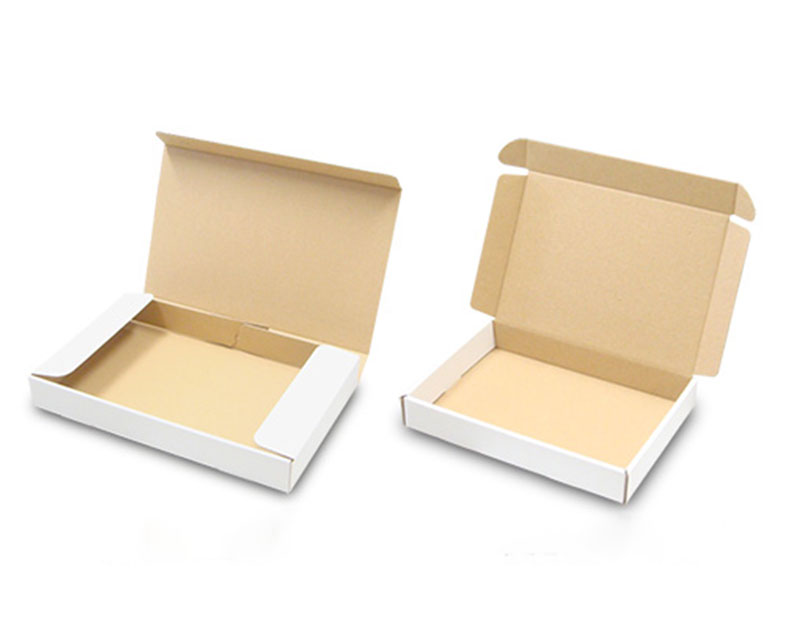
Distinguishing Between Mailer Boxes and Shipping Boxes
Criteria
Mailer Box
Shipping Box
Primary purpose
Transportation combined with unboxing experience
Transportation and protection within the logistics chain
Structure
Self-assembling, tab-lock design; no sealing tape required
Typically requires sealing tape for closure
Design priority
Branding and unboxing experience
Strength and stackability
Materials
Lightweight corrugated board or high-grammage paperboard
Thick, heavy-duty corrugated board with high load-bearing capacity
In practical applications, mailer boxes are commonly used for direct-to-consumer delivery and simultaneously function as presentation packaging, with high requirements for aesthetics and brand recognition.
In contrast, shipping boxes primarily serve as intermediate packaging within the logistics process. They are typically used to contain multiple mailer boxes or to provide additional protection for mailer boxes during transportation and handling.
3. Structure of Mailer Boxes
From a theoretical standpoint, a mailer box is not restricted to a single technical box structure. It is a concept defined by intended use rather than structural form, and therefore may be realized through various box designs, as long as they meet the requirements of direct-to-consumer delivery, fast packing, and adequate product protection.
However, in practical manufacturing and e-commerce applications, Roll-End box structures are the most commonly used for mailer boxes, due to their balanced performance in terms of production efficiency, structural integrity, and brand presentation.
Common Roll-End structures used for mailer box applications include:
RETT – Roll End Tuck Top
RETF – Roll End Tuck Front
These structures fully satisfy the core requirements of a mailer box, including:
One-piece design, die-cut from a single sheet of paperboard or corrugated board
Self-locking mechanism, allowing secure closure without the use of adhesive tape or glue under normal conditions
Use of interlocking flaps and locking tabs to maintain box integrity and shape
Fast assembly and simple packing operations, suitable for high-volume fulfillment processes
Large, flat surface areas, well suited for printing graphics, information, and brand identity elements
Due to their widespread application, Roll-End boxes are often referred to directly as “mailer boxes” in industry practice. Nevertheless, from a terminological perspective, these two concepts are closely related but not strictly equivalent, as “mailer box” describes a usage category rather than a specific structural standard.
4. Roll-End–Equivalent Structures
In addition to classic roll-end designs, several other box structures are also commonly used as mailer boxes, depending on the product segment and brand objectives.
4.1. Roll-End Mailer Box (RE Box)
A classic yet efficient structure
The Roll-End Mailer Box is one of the most widely used structures for mailer boxes in e-commerce applications. The box is die-cut from a single sheet of paperboard or corrugated board, with the two side panels folded inward to form double side walls, enhancing rigidity and overall protection.
The lid and bottom panels are folded and secured using locking tabs (tab-locks), allowing the box to be assembled without glue or adhesive tape under normal usage conditions.
Advantages:
Well suited for e-commerce: fast assembly, simple packing operations, convenient opening, and effective protection for light- to medium-weight products
Material efficiency: one-piece design minimizes material waste and facilitates printing and post-processing
Production efficiency: compatible with semi-automated and automated manufacturing and packing lines
→ Commonly used for online retail packaging, online gift boxes, and subscription box models.
4.2. 4-Corner Box with Lid
Faster production
The 4-Corner Box with Lid consists of a five-panel tray secured by four glued corners, combined with an integrated lid connected to the tray via a hinge. The box is manufactured and glued using folder-gluer machines, enabling high production speed while ensuring dimensional accuracy and structural consistency.
This structure is not a standard mailer box for mass e-commerce fulfillment. However, it is often used as a premium mailer solution in cases where enhanced unboxing experience and brand presentation are key priorities.
Advantages:
Premium unboxing experience, with strong presentation and gift-oriented appeal
Excellent shape stability, maintaining box form throughout transportation
Well suited for high-quality offset printing and advanced finishing techniques such as lamination, hot foil stamping, and UV coating
→ Commonly applied in gift packaging, cosmetics, and high-end products delivered directly to end customers.
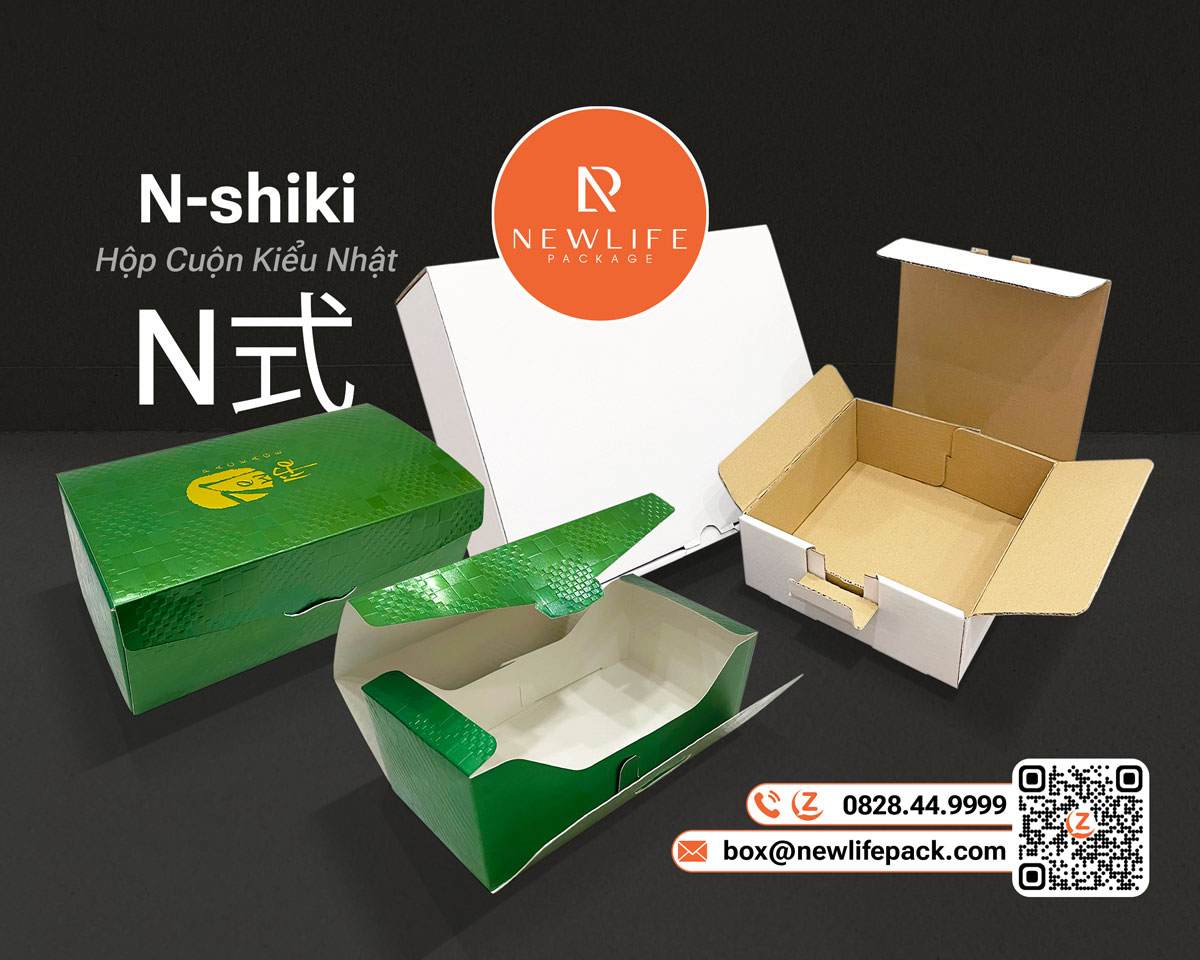
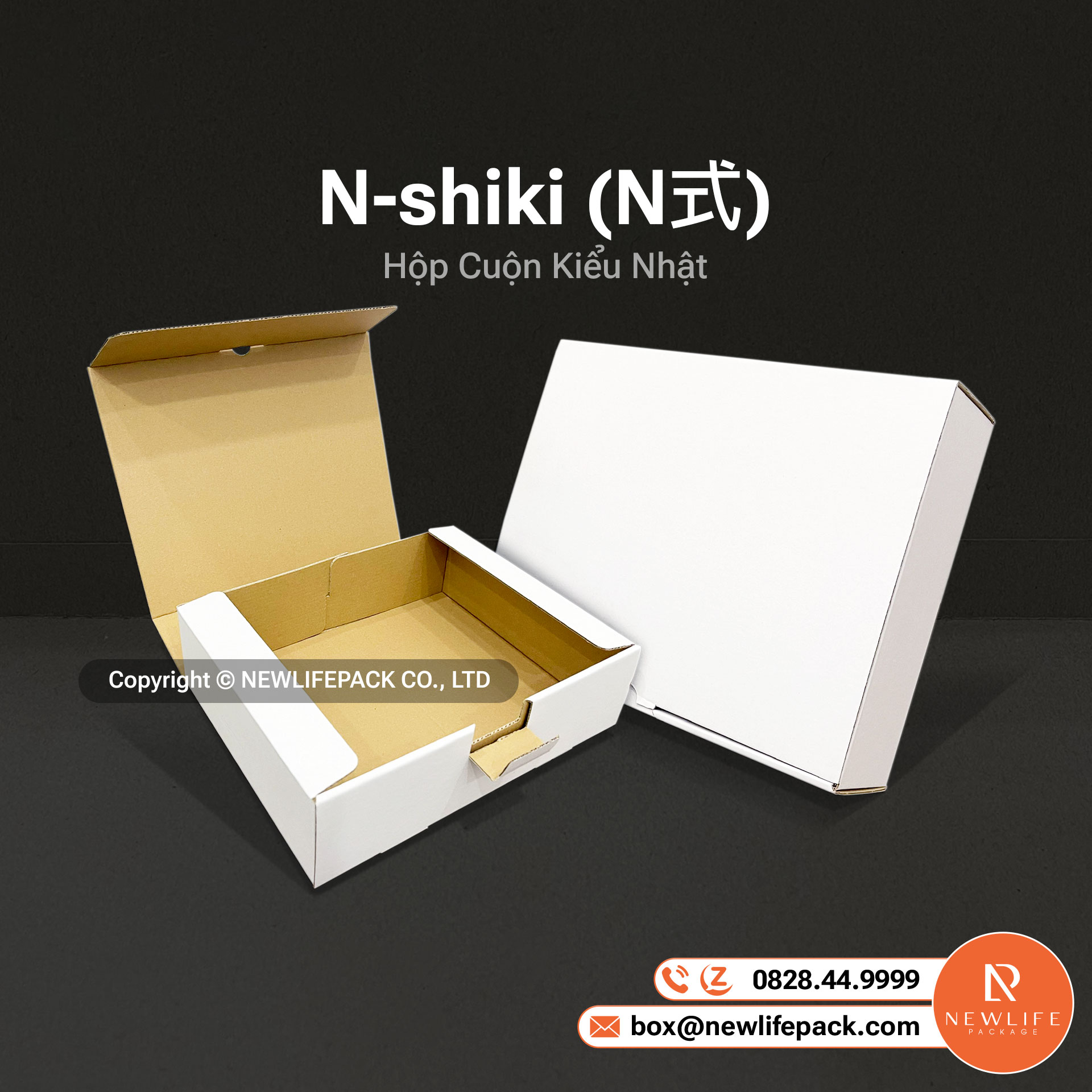
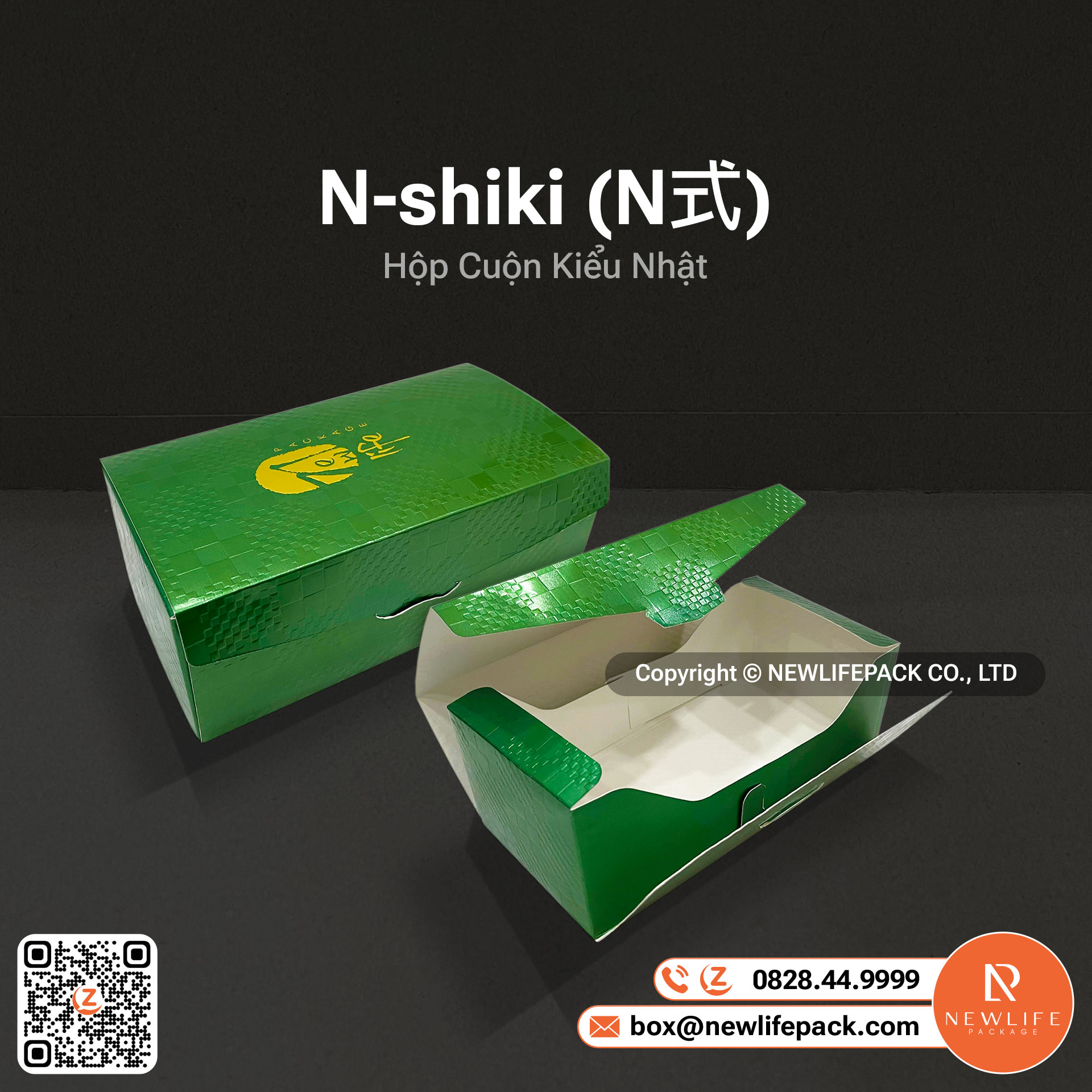
4.3. N-shiki Mailer (N-style Box / N式盒)
A future-oriented design
The N-shiki Mailer (N式盒), also known as the N-style roll-end box or Japanese-style roll-end box, originates from packaging design practices in Japan. The box is formed from a single sheet of paperboard or corrugated board, using little to no adhesive, and relies on a folding and self-locking mechanism for assembly.
The box is flat-shipped and can be assembled quickly at the packing station, making it well suited for production and logistics systems that prioritize efficiency.
Advantages:
Sturdy, compact, and structurally stable, meeting protection requirements during transportation
Seamless geometric layout, delivering an elegant and refined unboxing experience
Minimalist design language, clearly reflecting Japanese design principles that emphasize functionality, order, and efficiency
→ In Japanese packaging practice, N-shiki is regarded as one of the representative and highly standardized mailer formats, and is widely used for e-commerce packaging, gift boxes, dry food products, and consumer goods.
Comparison of Common Mailer Box Structures
Criteria
Roll-End Mailer
4-Corner Box with Lid
N-shiki Mailer
Structure
One-piece die-cut blank; rolled side panels forming double walls; self-locking tuck lid
Four-corner glued tray (5-panel tray) with an integrated hinged lid
One-piece; folded-and-rolled panels; interlocking tabs; hinged lid
Material
Paperboard / corrugated board
Paperboard
Paperboard / corrugated board
Structural strength
High (suitable for light to medium-weight products)
Medium to fairly high (good shape retention)
High (within the light-product segment)
Unboxing experience
Practical and functional
Premium, with clearly defined opening layers
Minimalist, modern, and seamless
Assembly speed
Fast
Very fast (tray is pre-glued)
Fast
Typical applications
Mass e-commerce, subscription boxes
Fast food delivery, processed food, gift packaging requiring quick opening
E-commerce brands with a modern interface and minimalist brand positioning
Delivery form
Flat-shipped
Flat-shipped or semi-erect
Flat-shipped
CONCLUSION
Alongside the rapid growth of e-commerce and direct-to-consumer (D2C) delivery models, the mailer box has become a widely adopted industry practice. Beyond its role in transportation, it now serves as a critical touchpoint for user experience and brand identity.
From a structural perspective, traditional roll-end formats (such as RETT and RETF) continue to play a dominant role due to their structural stability and production efficiency. However, the N-shiki Mailer demonstrates strong alignment with the long-term development trends of the industry, thanks to its minimalist structure, high level of standardization, and contemporary aesthetic.
More importantly, the N-shiki Mailer reflects a broader shift in e-commerce packaging toward leaner, more efficient, and more sustainable solutions, while still preserving a refined unboxing experience. As a result, this structure is increasingly regarded as a future-oriented mailer format, complementing the established and standardized roll-end designs/
Newlifepack Co., Ltd.
Vietnam Paper Packaging Manufacturer (since 2008) Certifications: ISO 9001:2015, ISO 14001:2015, GMI, GSV, FSC, SMETA
1. What Is a Corrugated Box? The Corrugated Box originated in the mid-19th century as an application of corrugated board and gradually became one of the most widely used packaging solutions worldwide by the early 20th century. Leveraging the inherent advantages of corrugated board, which features a multi-layer structure of flat linerboards and fluted medium, […]
In this feature, Newlifepack presents 12 of the most common rigid box structures—also known as chipboard boxes or cold carton boxes—organized according to Vietnamese–English–Chinese industry terminology. Each structure is accompanied by an analysis of its technical characteristics, structural design, and practical applications. The content is developed as a reference resource to support businesses in selecting […]
The Year of the Fire Horse 2026 is symbolized by the horse—a figure long associated with movement, opportunity, and smooth progress in East Asian culture. In Lunar New Year Gift Box design, horse motifs serve not only as decorative elements but also as a symbolic language of feng shui, conveying blessings, guiding positive energy, and […]
Metallic visual cues have a natural, universal appeal—an evolutionary reflex rooted in early humans’ instinct to identify and seek water sources. Consequently, hot foil stamping on packaging and product labels goes beyond visual enhancement, functioning as a strategic value signal that captures attention instantly and reinforces perceptions of quality, premium positioning, and trust at first […]
The year-end period—especially the weeks leading up to Christmas —consistently marks a surge in consumer demand for both gift-giving and self-reward purchases in Vietnam. This seasonal behavior serves as a key driver for occasion-based brands to refresh their packaging, launch Christmas collections, and introduce festive-edition designs that enhance on-shelf appeal and stimulate impulse purchases at […]
Combining material-efficient construction with Japanese-inspired aesthetics, the N-Shiki Roll-end Mailer (N-type Mailer / N式盒) represents a forward-looking packaging solution for the fast delivery market in Vietnam. This article is copyrighted by newlifepack.com. Please share from this site or cite the source when quoting. 1. The N-Shiki Roll-End Mailer N-shiki Mailer (N-type Mailer / N式盒) is […]
Leveraging our high-speed mass-production line for Collapsible Rigid Boxes (可折疊硬盒), Newlifepack introduces the Collapsible Tet Gift Box with Ribbon Tie and Magnetic Closure — a smart, modern packaging solution engineered to optimize both product aesthetics and supply-chain efficiency. This article is copyrighted by newlifepack.com. Please share from this site or cite the source when quoting. […]
Tết Nguyên Đán — the Vietnamese Lunar New Year, commonly known as Tet — is deeply rooted in the tradition of gift-giving, a way to show respect, send wishes of prosperity, and express heartfelt sentiments. As modern life accelerates, Tet Gift Boxes have become the smarter choice for the season — offering sleek, elegant designs, […]




 Distinguishing Between Mailer Boxes and Shipping Boxes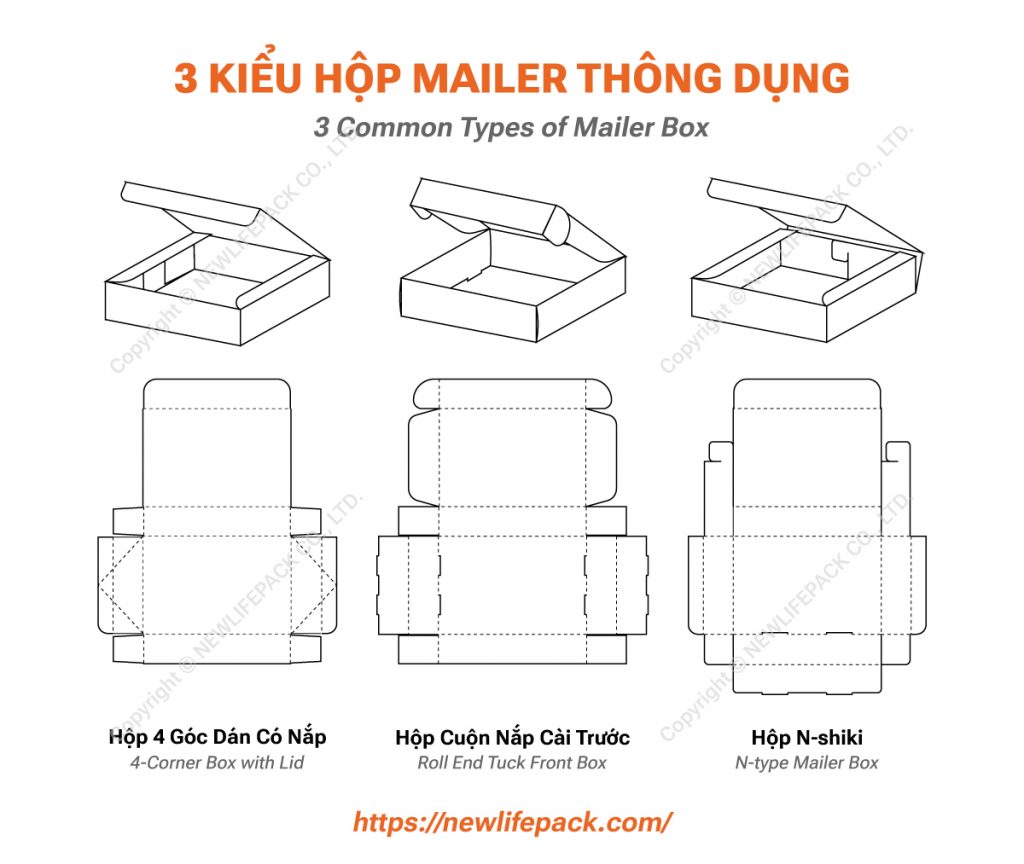
 68 Tran Van Cham Street, Cu Chi Commune, Ho Chi Minh City, Vietnam
 +84 28 3790 2768 |
  +84 828 44 9999 (+zalo)