Foil Stamping Overview — Crafting the Language of Luxury
13/12/2025
Metallic visual cues are consistently associated with value, quality, and credibility. In packaging and product labeling, foil stamping serves not merely as a decorative finish, but as a functional design lever that enhances perceived product value, premium positioning, and consumer trust.
This article provides a comprehensive and structured overview of foil stamping, covering its core principles, operating mechanisms, key technical variations, and applications in premium packaging. The objective is to support businesses in understanding, evaluating, and selecting the most appropriate metallic finishing solutions based on product requirements, production constraints, and desired brand outcomes.
This article is copyrighted by newlifepack.com. Please share from this site or cite the source when quoting.
1. Introduction to Foil Stamping
1.1. Definition of Foil Stamping
Hot Foil Stamping (Ép Kim / Ép Nhũ Nóng / 烫金工艺 ), commonly referred to as foil stamping, is a post-press finishing technique that uses a combination of heat and pressure to transfer an ultra-thin metallic foil layer onto the surface of a substrate. This process produces sharp metallic effects, high gloss, and strong reflectivity—visual characteristics that conventional printing methods such as offset, flexographic, or digital printing cannot replicate at an equivalent level.
1.2. Visual and Tactile Characteristics
High-impact metallic appearance that shifts with viewing angle and light conditions
Exceptional edge definition, free from halftone patterns and not constrained by print resolution
Versatile tactile effects, ranging from flat to raised and three-dimensional finishes, depending on die depth and structural design
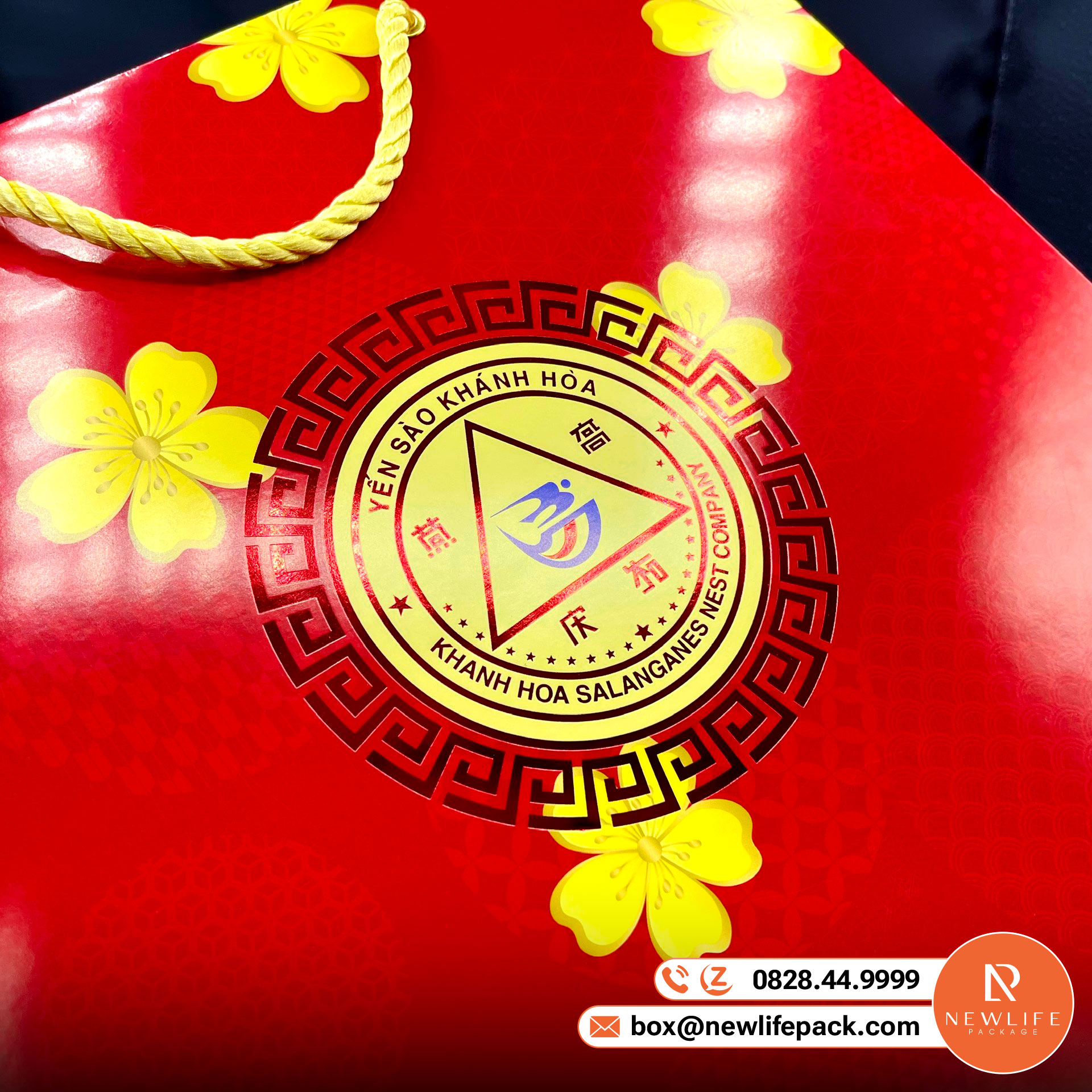
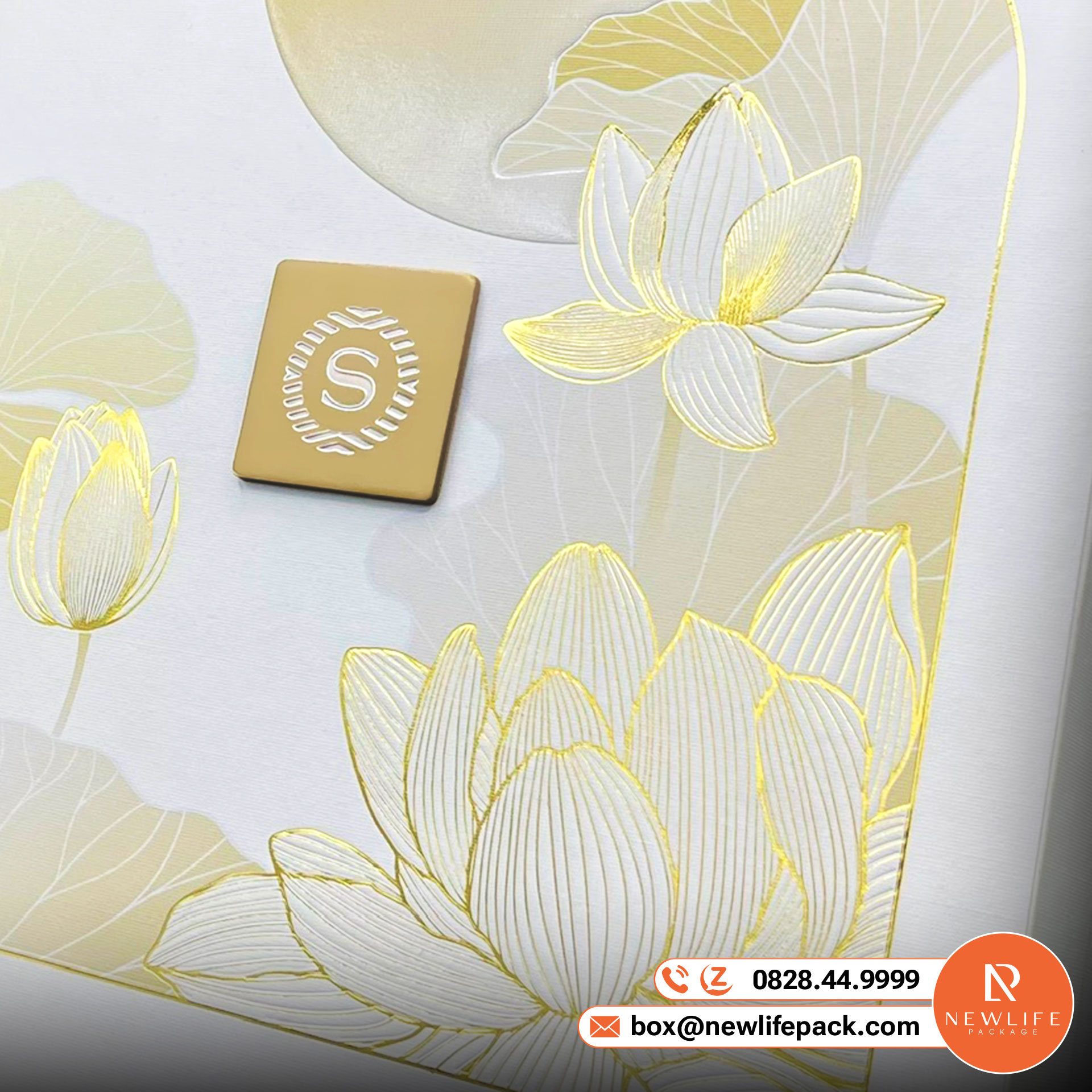
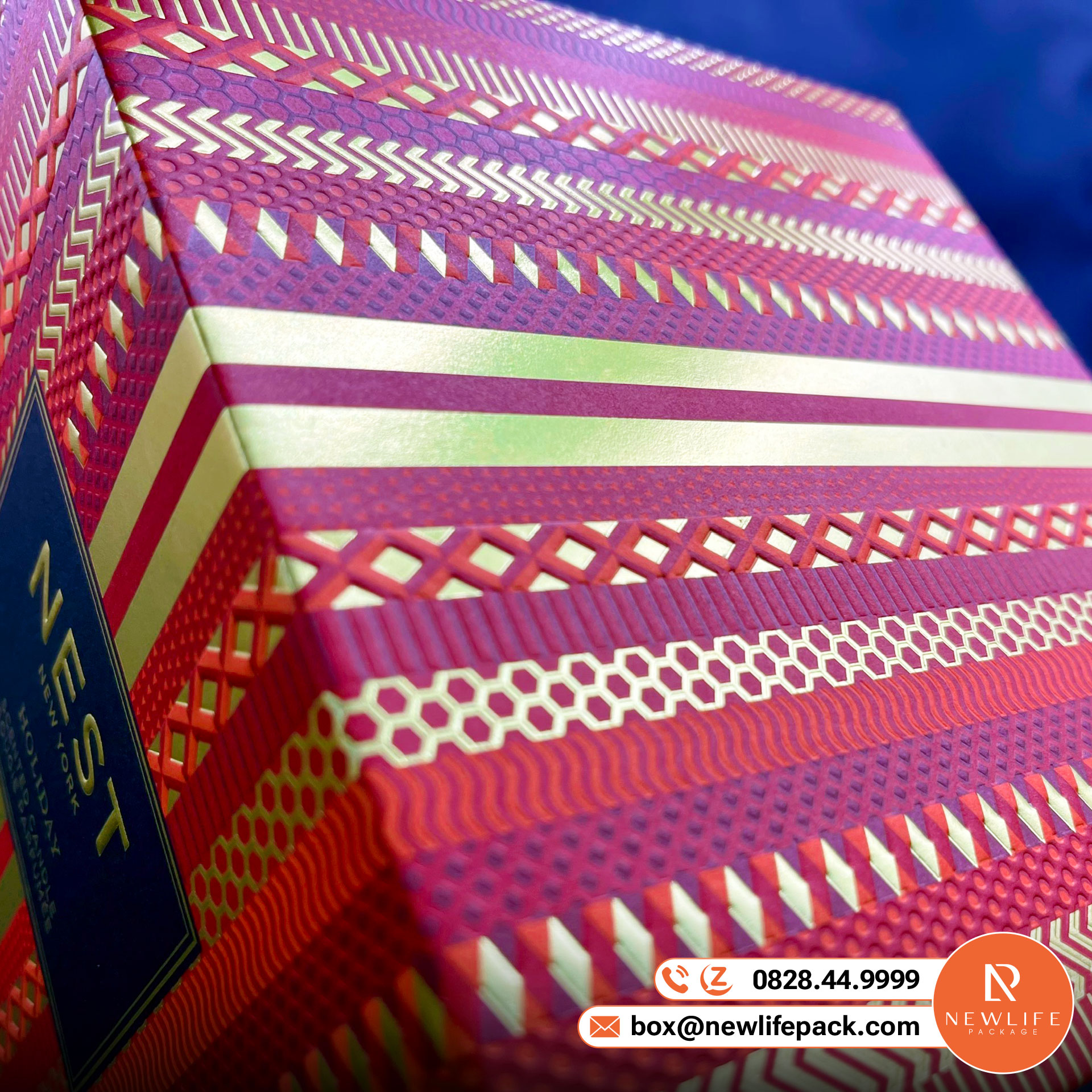
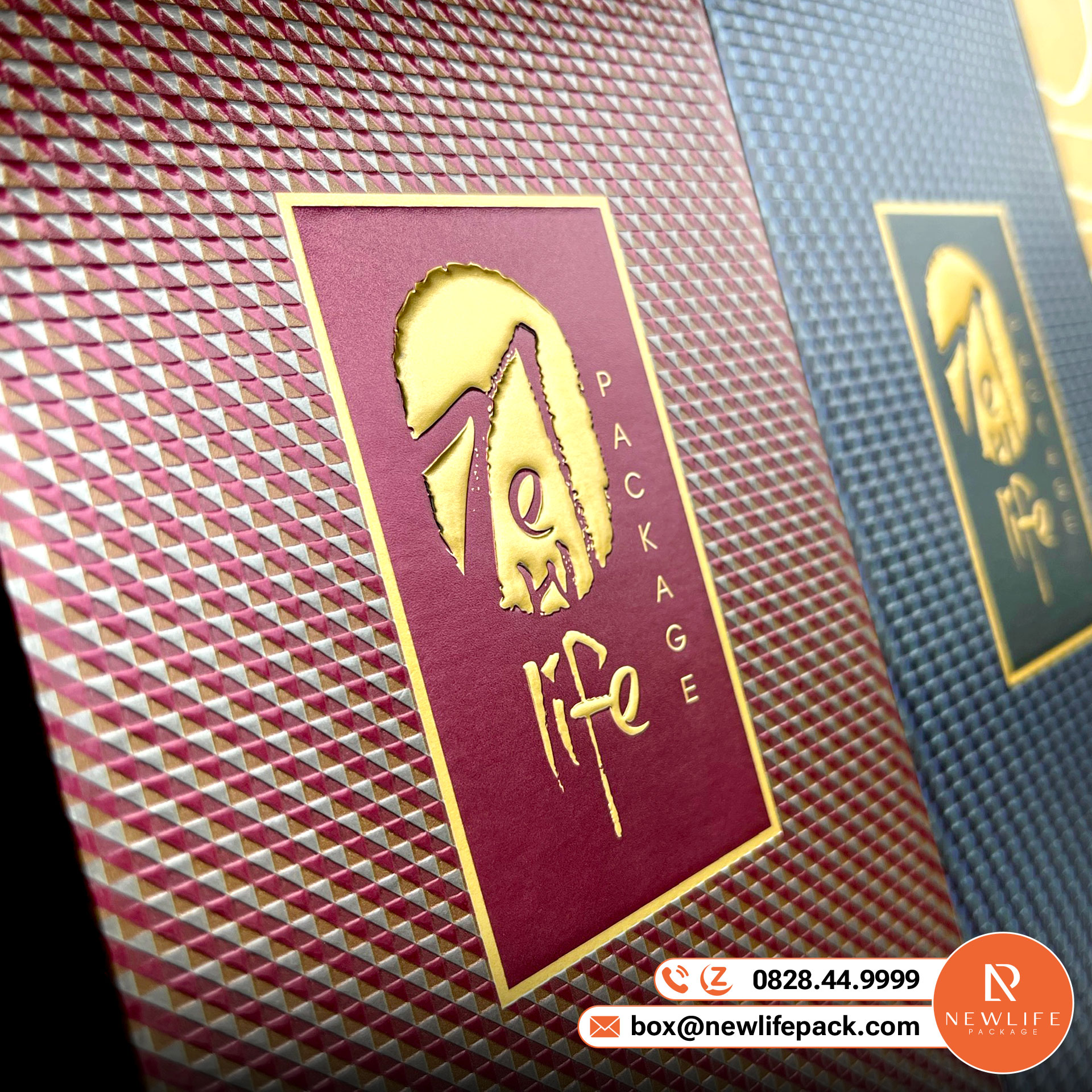
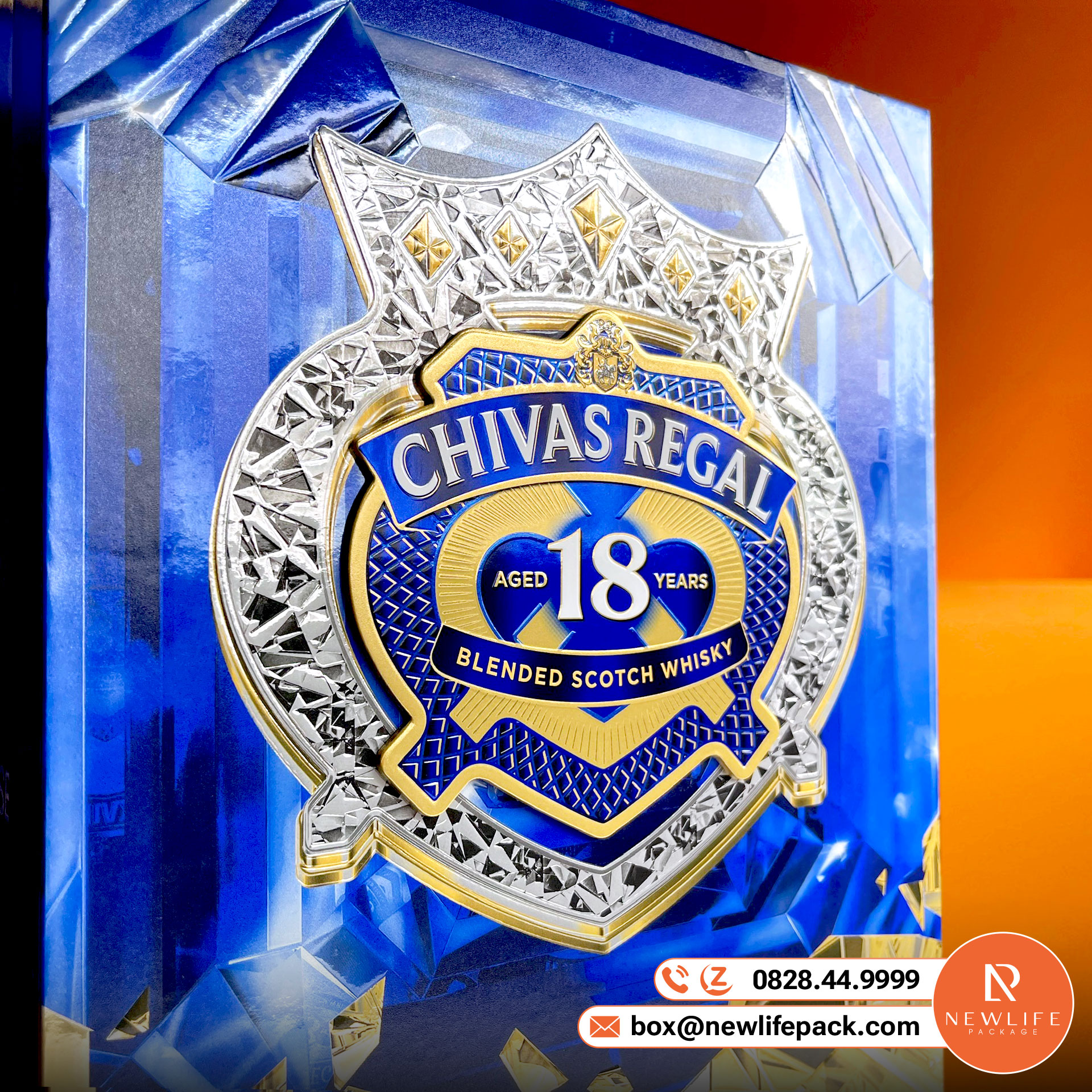
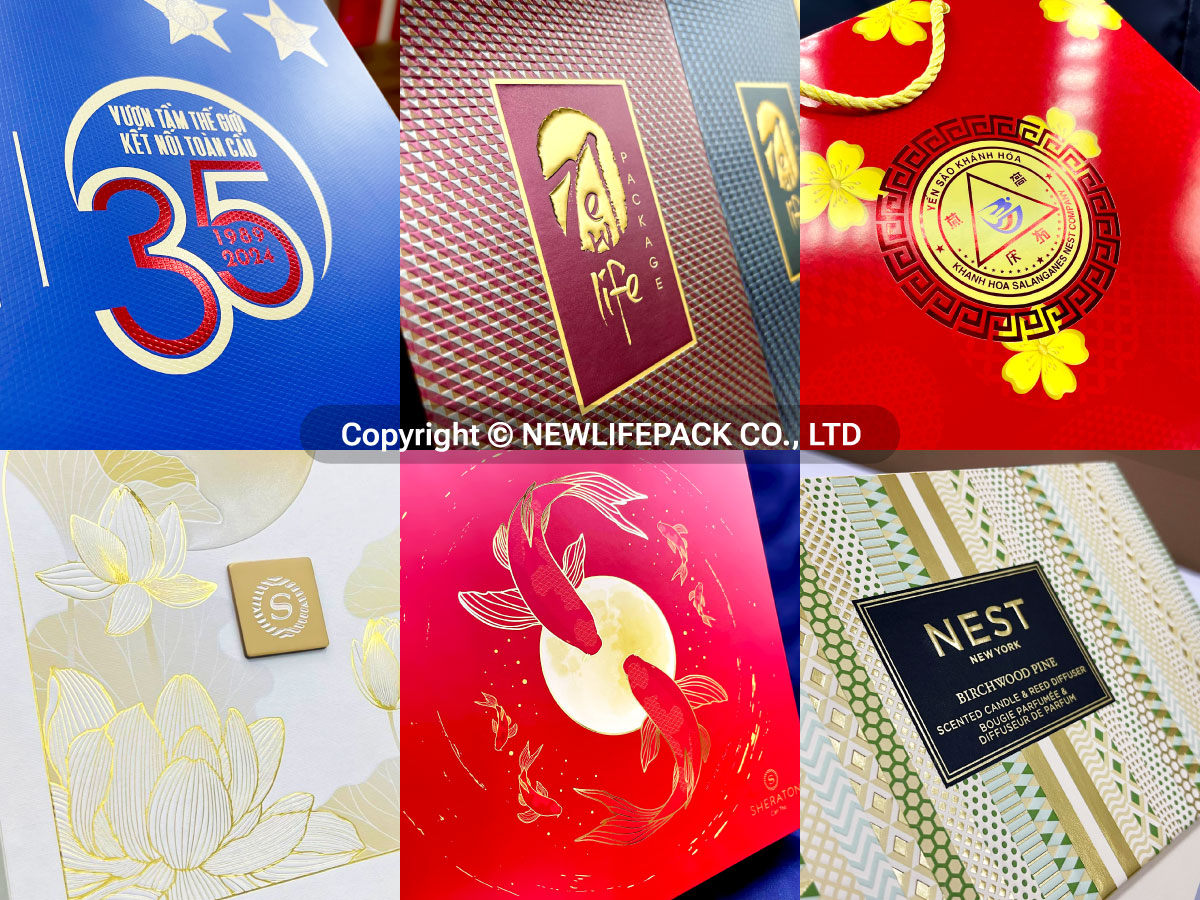
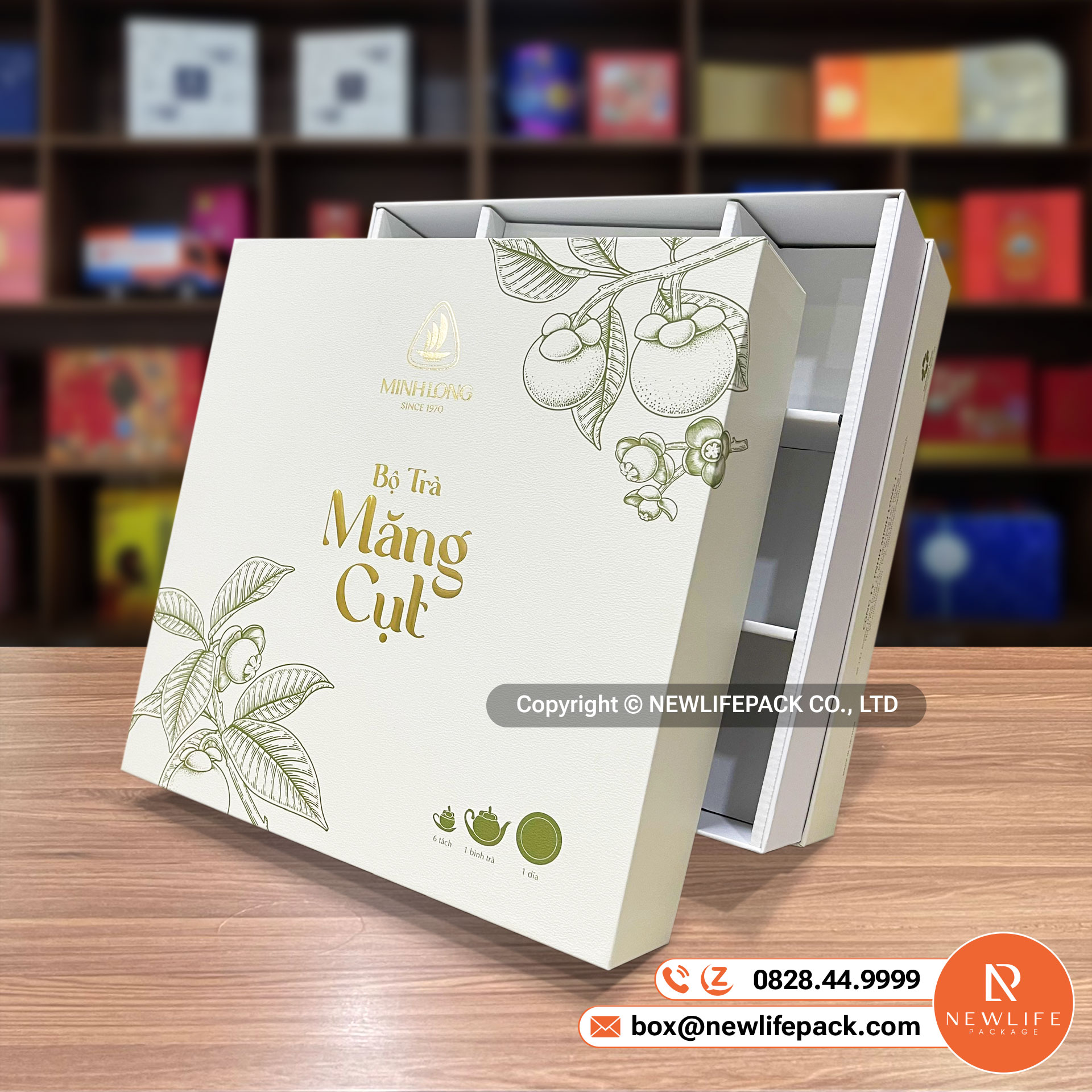
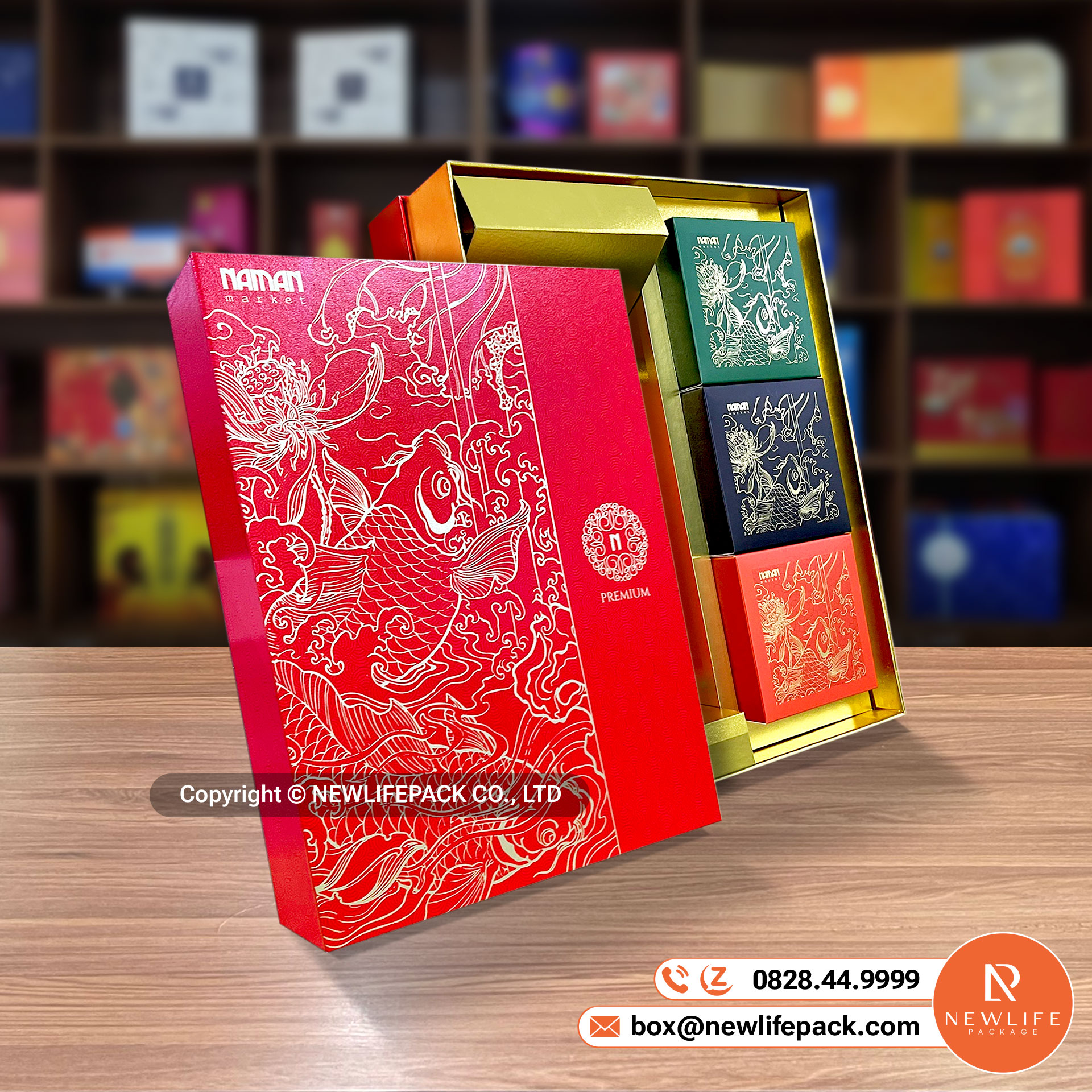
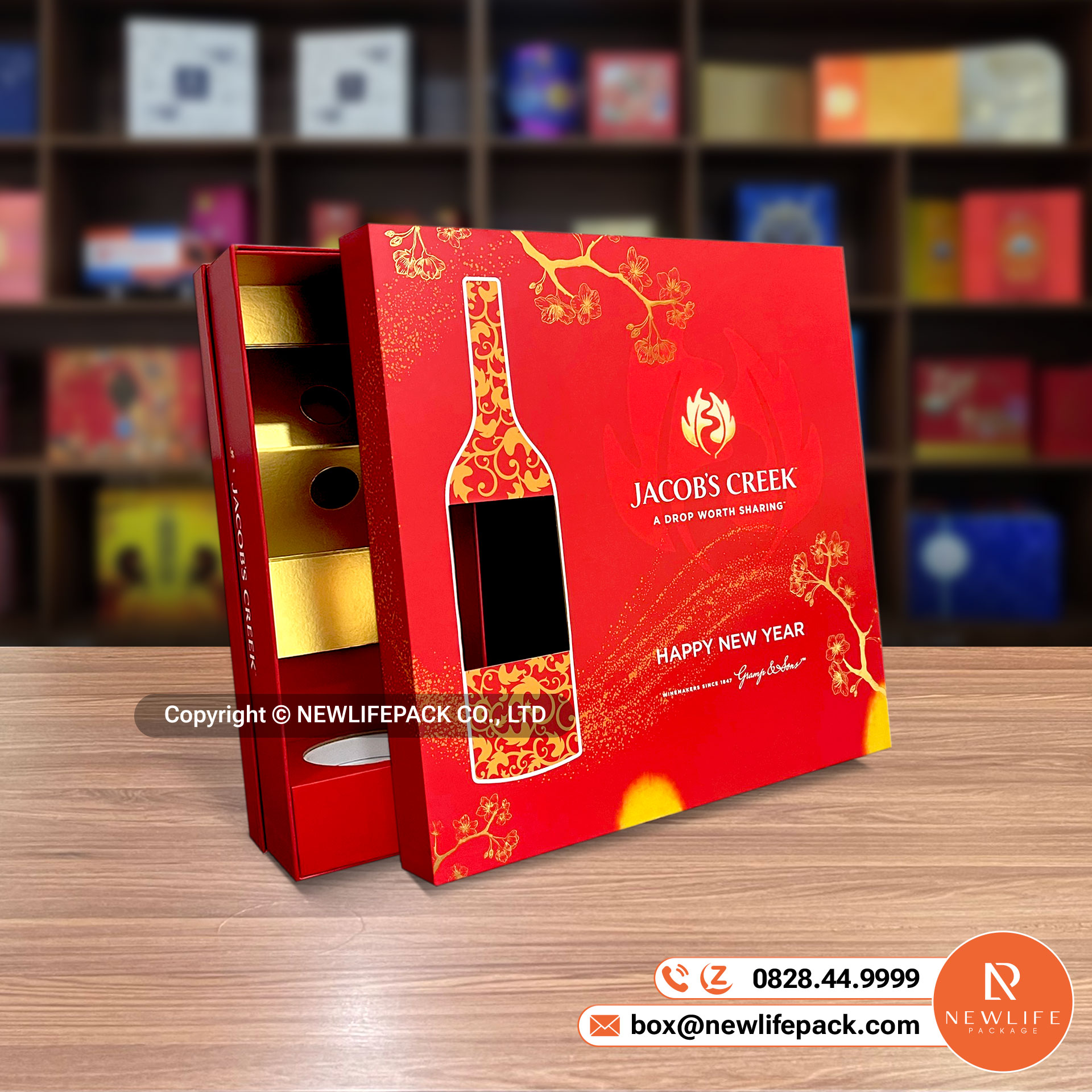
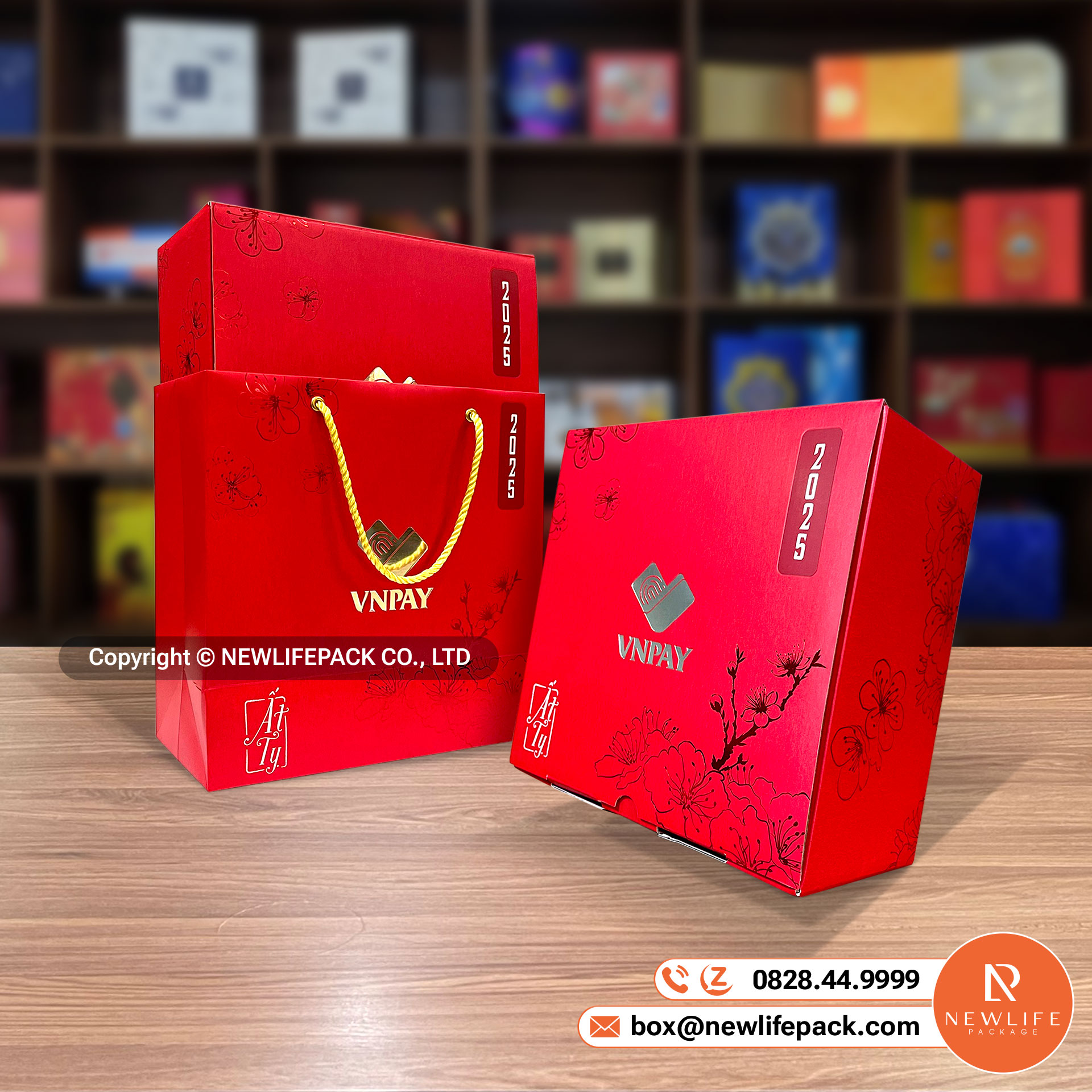
Foil-stamped Minh Long logo and product name Mangosteen Tea SetFoil-stamped Nam An Market logo and artwork Carp Gazing at the MoonFoil-stamped Jacob’s Creek logo and artwork Golden Apricot Blossom BranchFoil-stamped VNpay logo and artwork Red Peach Blossom Branch
1.3. Value and Benefits in Packaging
✦ Creating a Premium and Sophisticated Impression
Hot foil stamping is a highly effective solution for packaging positioned in the premium segment, such as cosmetics, imported spirits, and chocolate. It is particularly well suited for Tet gift boxes, Mooncake packaging, rigid gift boxes, and premium printed materials—categories where perceived luxury is critical to purchase decisions. Through its high reflectivity and strong visual contrast, foil stamping activates subconscious associations with quality, prestige, and brand credibility.
✦ Enhancing Brand Recognition
The metallic finish enables products to stand out at the point of sale by capturing consumer attention, significantly improving brand recall. When combined with embossing or 3D embossing for logos and product names, brand visibility is further amplified through a distinctive visual and tactile experience—creating clear differentiation from conventional printing techniques.
✦ Supporting Anti-Counterfeiting and Product Authentication
While not a standalone anti-counterfeiting solution, foil stamping contributes to reducing imitation and unauthorized replication due to its reliance on physical stamping dies and associated tooling costs. This creates a meaningful technical barrier and serves as an implicit authentication cue, reinforcing consumer confidence in product authenticity and quality.
2. Foil Stamping Process and Technical Execution
2.1. System Architecture
✦ Stamping Die
Common die materials include copper, magnesium, and steel, engraved in relief or intaglio to accurately reproduce the required design geometry.
The stamping die is heated to a temperature calibrated for the specific foil type and substrate material.
Heat generated from the die activates the adhesive layer of the foil, while the die geometry directly determines edge definition, detail fidelity, and overall sharpness of the finished result.
✦ Foil Roll
Foils used in hot foil stamping are multi-layered composite structures, engineered to transfer a metallic layer onto the substrate surface. A typical foil construction consists of:
PET carrier film – provides mechanical strength and thermal stability throughout the stamping process
Release layer – enables separation of the metallic layer from the PET carrier when exposed to heat
Metallic or pigmented layer – delivers the metallic visual effect
Heat-activated adhesive layer – bonds the metallic layer to the substrate under heat and pressure
When the heated die applies temperature and pressure, the metallic layer releases from the PET carrier and transfers precisely onto the designated areas of the substrate.
✦ Pressure System
The pressure system maintains consistent and evenly distributed force across the entire die surface. Proper pressure control ensures:
Clean foil transfer with strong adhesion
Elimination of defects such as smearing or voids
High edge clarity and detail retention, even in fine or intricate elements
2.2. Foil Stamping System Operation
The foil stamping process is governed by four core operating variables—Temperature, Pressure, Dwell Time, and Registration—which directly determine foil adhesion performance and edge definition of the stamped elements.
In modern foil stamping systems, these parameters are continuously monitored via sensor-based controls and managed through algorithm-driven regulation, enabling automatic registration adjustment during operation. This approach supports high production speeds while maintaining consistent quality across the entire production run.
Regardless of whether the system operates under automated or manual control, the foil stamping process follows the same fundamental procedural steps, outlined below:
✦ Step 1: Metal Die Fabrication
The die is engraved using copper, magnesium, or steel, with material selection based on design complexity, production volume, and durability requirements. This stage defines the geometry and sharpness of the stamped areas and has a direct impact on final detail quality.
✦ Step 2: Die and Foil Installation on the Heating Assembly
The die is mounted onto the heating unit, while the foil roll is installed on the feed shaft and aligned along a controlled path to ensure proper tension, stability, and synchronization with machine movement.
✦ Step 3: Die Heating and Temperature Calibration
Operating temperatures typically range from 90°C to 180°C, depending on foil type, adhesive layer composition, and substrate characteristics. The objective is to activate the foil adhesive without causing substrate distortion or deformation.
✦ Step 4: Die Application Under Controlled Pressure
Pressure must be sufficient to achieve effective adhesion while avoiding impression marks, substrate compression, or fiber damage. In production environments, pressure control is a critical sensitivity point, as it directly affects both edge clarity and coating uniformity.
✦ Step 5: Adhesive Activation and Foil Transfer
Under the combined influence of temperature, pressure, and dwell time, the adhesive layer is activated and bonds the metallic layer to the substrate surface.
✦ Step 6: Carrier Film Release
The PET carrier film is lifted away from the stamped area, leaving the metallic foil firmly bonded to the substrate and completing the foil stamping effect in accordance with the design specification.
2.3. Compatible Substrates
✦ Coated Papers: Couché, Ivory, and Other Smooth-Surface Stocks
This substrate group is optimal for foil stamping due to the following characteristics:
Stable coated surfaces with low absorbency
High surface smoothness, enabling strong foil adhesion and precise reproduction of fine details
These materials deliver uniform metallic brilliance and provide the highest level of process controllability in foil stamping applications.
✦ Rough or Porous Substrates
This category includes uncoated kraft paper and textured specialty papers with deep grain. While foil stamping remains feasible, several technical constraints must be considered:
Increased risk of edge breakage, voids, and discontinuous foil coverage
Reduced adhesion performance due to fragmented surface contact points
To achieve acceptable results, the process requires fine-tuning of temperature, pressure, and dwell time, along with foil selection specifically engineered for rough substrates.
✦ Base Paper Weight
The substrate should typically be 250 gsm or higher in order to:
Minimize the risk of tearing or deformation under pressure
Reduce the likelihood of die impression marks appearing on the reverse side of the finished product
Adequate paper weight is a key factor in maintaining structural integrity and surface quality during foil stamping.
✦ Chipboard and Corrugated Board
Standard production practice involves foil stamping on a laminated surface sheet (e.g., couche paper or specialty paper), followed by mounting onto chipboard or corrugated board.
This approach helps to avoid uneven pressure distribution, loss of detail, or surface indentation that may occur when stamping directly onto thick substrates
2.4. Technical Considerations
✦ Minimum Line Thickness
Foil-stamped lines should have a minimum thickness of 0.15–0.2 mm or greater.
Avoid using extremely fine lines, particularly on textured or heavily grained paper stocks, as thin strokes are prone to detail loss, line breaks, or uneven foil adhesion.
✦ Spacing Between Foil-Stamped Elements
Foil-stamped elements should be designed with sufficient negative space and should not be placed too close to one another.
Tight spacing increases the risk of foil bridging, edge bleeding, or unintended light overlap. Adequate spacing also allows better heat dissipation from the die and ensures clean, precise foil transfer across individual areas.
✦ Combination embossing / Foil embossing
Separate foil stamping and embossing into distinct layers within the design file to support accurate die fabrication and precise registration.
Ensure exact alignment between the foil die and embossing die to avoid misregistration, distortion, or incomplete details.
Common production workflows include: Foil stamping first, followed by embossing; or simultaneous execution using a combination die on specialized equipment.
Carefully control pressure and temperature to achieve consistent foil adhesion and stable dimensional relief.
✦ Large Foil Coverage Areas
Large foil areas are more susceptible to uneven foil transfer, patchiness, or mottling, typically caused by substrate surface characteristics, pressure distribution, or suboptimal stamping conditions.
Recommended technical solutions include selecting foils specifically engineered for large-area coverage, maintaining stable pressure, temperature, and dwell time, and prioritizing smooth, well-coated substrates to improve foil adhesion and visual consistency.
✦ Print File Preparation
Clearly separate the foil stamping layer within the design file.
Apply trapping where foil overlaps printed areas to prevent visible gaps or misalignment.
Ensure high-resolution artwork, with all text and vector elements converted to outlines to allow precise die engraving and accurate reproduction of fine details.
2.5. Quality Control
✦ Machine Stabilization Prior
Ensure that the die, stamping head, and heating system have reached stable operating conditions prior to production runs in order to minimize variation during continuous operation.
✦ Foil Adhesion Verification
Conduct quick adhesion checks—such as tape tests or peel tests—to confirm that the foil is securely bonded to the substrate before proceeding with full-scale production.
✦ Registration Accuracy
Verify that the foil application is precisely aligned with printed elements or other finishing layers to prevent misregistration, edge overflow, or visual inconsistency.
✦ Operational Parameter Optimization
Fine-tune pressure, temperature, and dwell time according to each substrate type to achieve a smooth, sharp foil finish without scorching or degradation.
✦ Surface Defect Monitoring
Continuously monitor output to identify common defects such as pinholing, edge bleeding, foil lifting, or incomplete coverage, and implement immediate adjustments before mass production.
3. Foil Types Used in Foil Stamping
3.1. Metallic Foil
✦ Technical Characteristics
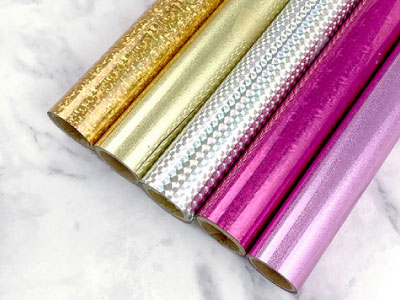
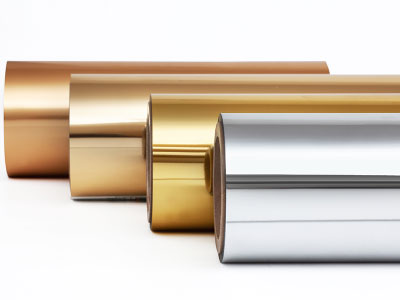
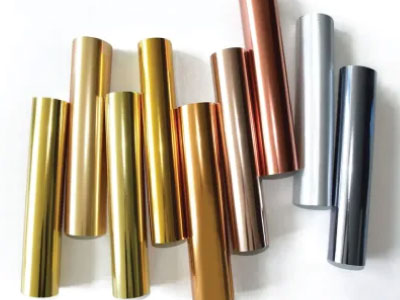
Metallic Foil is the most widely used foil type, composed of a vacuum-metallized aluminum layer, delivering high reflectivity, sharp highlights, and a premium metallic finish. It sets the standard for creating a premium look and feel in packaging and branded materials.
✦ Common Colors
Gold, Silver
Rose Gold
Champagne Gold
Bronze, Copper
Gunmetal, Platinum
✦ Value Proposition
Enhances brand visibility through bold, reflective surfaces.
Conveys a premium, high-end impression, ideal for cosmetics, wine & spirits, gifts, and other luxury categories.
Offers stable performance with strong adhesion and minimal stamping defects.
3.2. Other Hot Foil Types
Beyond Metallic Foils, the hot stamping foil portfolio includes a range of non-metallic types, classified by coating structure, optical properties, and intended applications. Each foil type is engineered to meet specific technical requirements and visual effects.
In practice, the adoption of non-metallic foils remains limited in Vietnam’s packaging industry. The following section highlights key representative foil types to provide a reference overview.
✦ Pigment Foil
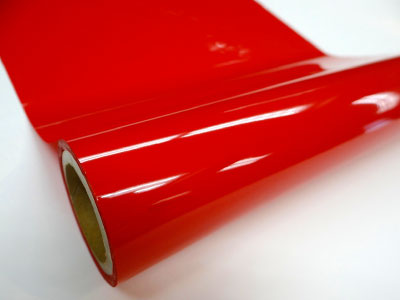
Pigment Foil is a non-metallic hot stamping foil featuring a pigment color layer on a PET carrier, delivering uniform, high-opacity color through heat-activated transfer.
Key characteristics: Available in gloss or matte finishes; consistent, non-metallic color without metallic reflectivity; strong adhesion and greater durability than conventional printing inks; performs well on textured substrates and integrates seamlessly with metallic or holographic foils.
Applications: Used to achieve bold, solid color accents, enhance brand recognition, and improve graphic definition on labels, packaging, and textured surfaces.
Quick Comparison: Metallic Foil vs. Pigment Foil
Criteria
Metallic Foil
Pigment Foil
Light interaction
Strong metallic reflectivity
No metallic reflection
Color coverage
Limited by metal layer
High opacity, uniform color
Substrate compatibility
Best on smooth surfaces
Performs well on textured papers
Visual impact
Premium, high-shine
Bold color, visually softer
✦ Holographic Foil
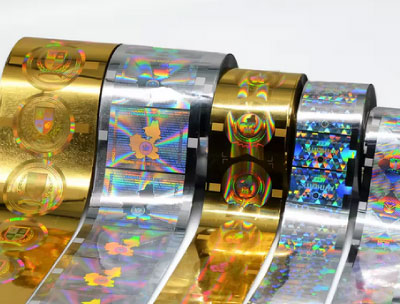
Holographic Foil delivers a multi-dimensional visual effect through light diffraction generated by micro-embossed structures on the foil surface. It is used to capture attention, create premium highlights, and elevate perceived value across packaging and label applications.
Key characteristics: Angle-dependent light effects (kinetic visual response); gloss or matte finishes depending on foil type; reliable adhesion when temperature, pressure, and dwell time are properly controlled; compatible with metallic foils and other finishing techniques.
Applications: Premium packaging, labels, and cards; brand identifiers requiring high visual impact and elevated presentation quality.
✦ Security Foil
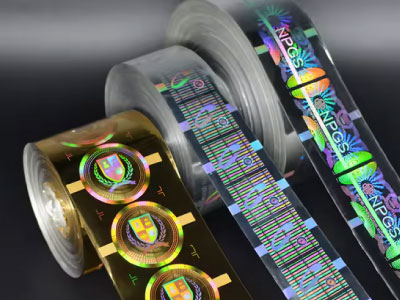
Security Foil is a specialized category of holographic hot stamping foil engineered for authentication and anti-counterfeiting applications. It integrates security features such as microtext, hidden images, registered designs, or proprietary identifiers. When hot stamped, the foil forms a permanent bond with the substrate, making removal or replication difficult while preserving distinct optical effects.
Key characteristics: High security performance; anti-counterfeiting and tamper-evident properties; multi-dimensional 3D/kinetic visual effects; strong adhesion under controlled stamping conditions.
Applications: Anti-counterfeit seals, licenses, pharmaceutical labels, ID cards, and high-value certificates requiring reliable authentication.
✦ Transparent Foil / Clear Foil
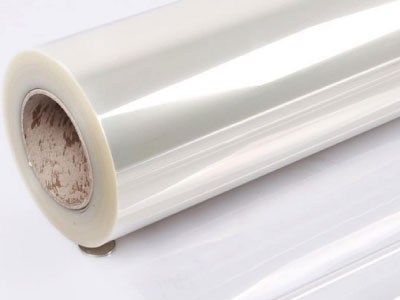
Transparent Foil (Clear Foil) is a non-metallic hot stamping foil featuring a clear or lightly tinted film layer, allowing the underlying print, color, or material to remain visible after stamping on paper, plastic, or other substrates.
Key characteristics: Creates gloss, matte, or gloss–matte contrast effects; enhances details without altering the base color; delivers a refined, tactile finish while preserving design integrity.
Applications: Premium packaging, cosmetics, skincare, and minimalist design concepts—used to subtly accent logos, typography, and graphic elements while maintaining the original color palette.
✦ Textured Foil / Pattern Foil
Textured Foil (Pattern Foil) is a category of hot stamping foil with pre-engineered surface patterns, including grains, ribs, micro-etching, or light-reflective motifs. When applied, the foil delivers both visual and tactile effects, adding depth and dimensionality without requiring complex embossing processes.
Key characteristics: Includes matte, satin, and lamé finishes; surface textures such as silk, linen, leather, or fiber grain; optical patterns such as prism, diamond, or ripple effects.
Applications: Premium packaging, labels, cards, paper bags, and brand identity materials—used to create distinctive, refined design accents that elevate visual richness and perceived quality.
4. Foil Stamping Variants
Depending on the intended visual impact and tactile experience, foil stamping can be executed through three commonly applied technical variants:
4.1.Flat Foil Stamping
✦ Technical Characteristics
Produces a 2D effect with a flat, smooth, and sharply defined surface.
Utilizes a heated flat die to transfer the foil onto the substrate through controlled heat and pressure.
Enables high-precision reproduction of fine details—such as logos, delicate typography, thin outlines, and micro graphics—when die quality and stamping parameters are properly managed.
✦ Aesthetic Value
Delivers a consistent and uniform metallic finish, determined by the foil type (gloss or matte).
Enhances brand identifiers with greater sharpness and contrast compared to conventional ink printing.
Represents the most fundamental and cost-efficient foil stamping option, with lower die and setup costs than embossed or sculpted foil variants.
✦ Typical Applications
Premium packaging for cosmetics, personal care, and high-end FMCG.
Foil stamping and embossing are executed simultaneously in a single pass using a combination die (integrated male–female die with a foil-stamping surface).
The foil layer is transferred and formed at the same time, creating physical elevation that adds surface depth and enhances light interaction compared to flat foil stamping.
✦ Aesthetic Value
Delivers a “metallic + dimensional” effect, perceived as more premium and visually richer than flat foil.
Significantly enhances tactile feedback and shelf impact.
Commonly adopted as a signature finishing technique for premium and luxury brands—particularly in cosmetics, alcoholic beverages, and high-end gifting.
✦ Typical Applications
Premium packaging and printed materials: folding cartons (couche, ivory), rigid chipboard boxes, corrugated cartons, seasonal gift boxes (Lunar New Year, Mid-Autumn), cosmetic packaging, spirits, bird’s nest products; paper bags, invitations, and wedding stationery.
Best suited for logos, emblems, and key design elements requiring strong visual prominence and tactile differentiation.
4.3. Sculpted Foil Stamping (3D Foil Stamping)
✦ Technical Characteristics
Sculpted Foil Stamping is a surface-finishing technique that combines foil stamping with high-relief embossing to create three-dimensional metallic forms. The resulting foil surface interacts with light across different planes, delivering a distinctive visual and tactile experience beyond flat or standard embossed foil.
At Newlifepack, this technique is executed through a three-step production process:
Step 1 – Flat foil stamping on wrapped paper The foil is first applied flat onto wrapped paper (couche, ivory, or specialty papers) to ensure high detail fidelity, stable foil adhesion, and precise graphic control prior to embossing.
Step 2 – Mounting onto rigid chipboard The foil-stamped paper is mounted onto chipboard, creating a substrate with sufficient thickness and structural stability for deep embossing, while enhancing overall surface quality.
Step 3 – 3D embossing The mounted chipboard is then deep-embossed / 3D embossed at the foil-stamped areas using a dedicated hydraulic embossing press. This step forms clearly defined volumes, with the foil shaped into multi-level relief aligned to the sculpted geometry.
This approach reduces the risk of tearing or unwanted deformation during deep embossing and leverages the thickness and dimensional stability of chipboard to achieve pronounced height, smooth transitions, and long-term form retention.
✦ Aesthetic Value
Delivers the highest level of visual impact among traditional foil stamping techniques through the combination of metallic finish and true 3D form.
Significantly enhances tactile engagement, making design elements immediately recognizable by touch.
Creates strong perceived value and differentiation, particularly for designs requiring visual depth that flat foil cannot deliver.
✦ Typical Applications
Premium brand logos, monograms, emblems, and central decorative elements.
High-end packaging for cosmetics, bird’s nest and nutritional products, premium spirits and beverages, corporate gifting, luxury gifts, and limited or special edition packaging—as well as printed materials demanding exceptional visual and tactile performance.
5. Alternative Metallic Effect Technologies
In addition to hot foil stamping, the packaging printing industry has developed several alternative technologies to achieve metallic effects without the use of heated dies. These methods address different priorities related to production volume, line speed, tooling cost, and design flexibility.
Below are the three most widely adopted metallic-effect technologies currently used in commercial packaging production.
5.1. Cold Foil Stamping
✦ Operating Mechanism
– Foil adhesive printing: A UV-curable adhesive is printed onto the substrate, defining the areas where foil will transfer
– Foil transfer: Cold foil is laminated onto the wet adhesive, allowing the metallic layer to bond to the surface
– UV curing: UV lamps cure the adhesive, permanently fixing the foil to the substrate
✦ Operational Characteristics
– Inline processing on offset or flexographic presses, enabling very high production speeds
– No metal die required, significantly reducing tooling cost and setup time
– Delivers lower gloss compared to hot foil stamping, but maintains consistent metallic appearance across large areas, making it ideal for extensive foil coverage
✦ Typical Applications
– FMCG packaging, consumer product labels, and high-volume label production
– Folding cartons requiring fast turnaround and cost optimization
– Designs that require a metallic effect without maximum gloss intensity
5.2. Digital Foiling (Digital Metallization)
✦ Operating Mechanism
Digital foiling technologies create foil adhesion zones using UV polymers, toner, electrostatic charge, or digital coating layers. The foil is transferred directly from digital data, eliminating the need for metal dies or conventional printing plates.
✦ Operational Characteristics
– Well suited for personalization, short to mid-length runs, and complex designs
– Enables raised foil, 3D effects, and integration with selective varnish applications
– Requires no mechanical setup, allowing rapid job changeovers and reduced lead times
– Delivers high registration accuracy through fully digital control systems
✦ Typical Applications
– Premium packaging, gifts, and personalized products
– Invitations, catalog covers, and brand collateral
– Projects requiring high-detail metallic effects or one-of-a-kind visual accents
5.3. Printing on Metalized Paper
✦ Operating Mechanism
This technique uses fully metalized laminated paper, where the entire surface is pre-metalized prior to printing. The process typically includes:
– White ink printing to mask metallic reflection in selected areas
– Areas without white ink exposure retain the natural metallic base, creating metallic visual effects
– CMYK or spot colors can be printed either over the white ink or directly onto the metalized surface
✦ Operational Characteristics
– No foil and no dies required, implemented directly on offset, flexographic, or gravure printing lines compatible with metalized substrates
– Delivers highly uniform metallic effects across large surface areas due to the continuous metalized base
– Metallic intensity is controlled through white ink opacity, enabling precise visual tuning
– Cost-efficient compared to hot or cold foiling when large metallic areas are required
– Optimizes production efficiency by eliminating mechanical stamping steps
✦ Typical Applications
– Cosmetics, pharmaceuticals, and premium food & beverage packaging
– Bottle labels, metalized pouches, and folding cartons using metalized base materials
– FMCG packaging requiring “premium at scale” metallic effects with controlled cost
– Designs calling for broad, even, and stable metallic surfaces combined with vibrant printed colors
🔍 Quick Comparison: Four Metallic Effect Technologies
Criteria
Hot Foil Stamping
Cold Foil Stamping
Digital Foiling
Printing on Metalized Paper
Process mechanism
Uses metal die + heat + pressure to transfer foil onto the substrate
UV adhesive is printed first; foil bonds to wet adhesive and is then UV-cured
Foil adhesion zones created via polymer, toner, or digital coating and transferred from digital data
White ink is printed to mask metallic areas on pre-metalized paper
Metallic appearance
Highest gloss, sharp, luxury-grade
Medium gloss, stable, suitable for large areas
High gloss; capable of raised and 3D foil effects
Uniform metallic sheen over large areas with a natural metalized look
Edge sharpness
Very high, excellent fine detail
Good, but less sharp than hot foil
Technology-dependent; extremely sharp for small details
Large-area metallic effects at optimized cost; smooth gradients
6. Foil Stamping Capabilities at Newlifepack
Backed by a fully integrated production system, Newlifepack operates both automatic and semi-manual foil stamping lines to address a wide spectrum of packaging requirements—from high-volume production to highly intricate, detail-driven applications. This dual setup enables speed, consistency, and precision at scale, while maintaining flexibility for premium executions.
6.1 Automatic Foil Stamping Equipment
Automatic systems form the backbone of Newlifepack’s foil stamping capacity, supporting projects that demand high throughput, tight lead times, and uniform quality across large production runs.
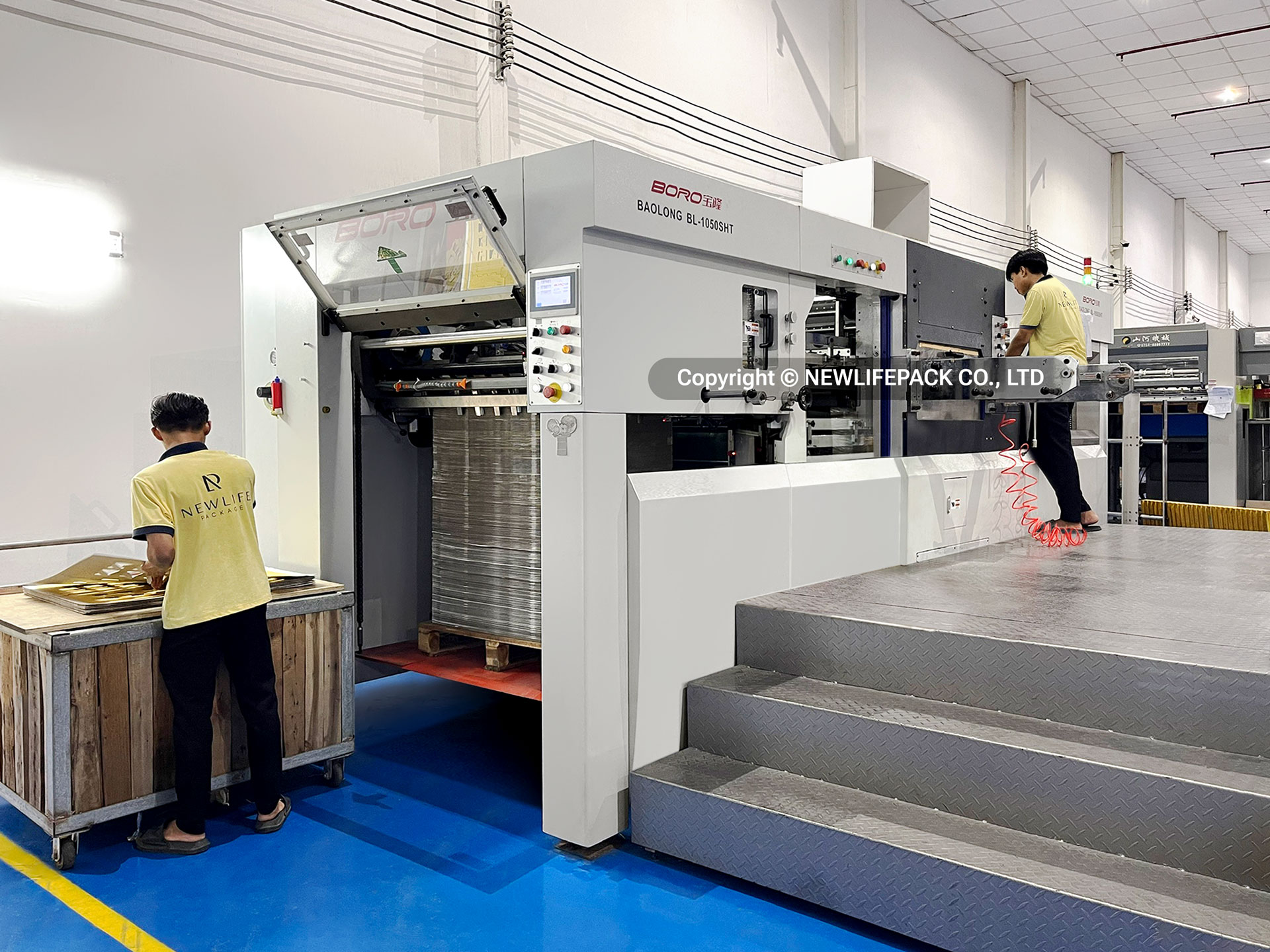
Boro BL-1050SHT Automatic Die Cutting, Embossing & Foil Stamping Machine
– Functions: die cutting, embossing/debossing, foil stamping
– Maximum sheet size: ~1050 × 750 mm
– Operating speed: ~7,000–7,500 sheets/hour
– Registration accuracy: ±0.10 mm
– Best suited for: combination dies, embossed foil effects, and multi-process premium packaging in a single pass
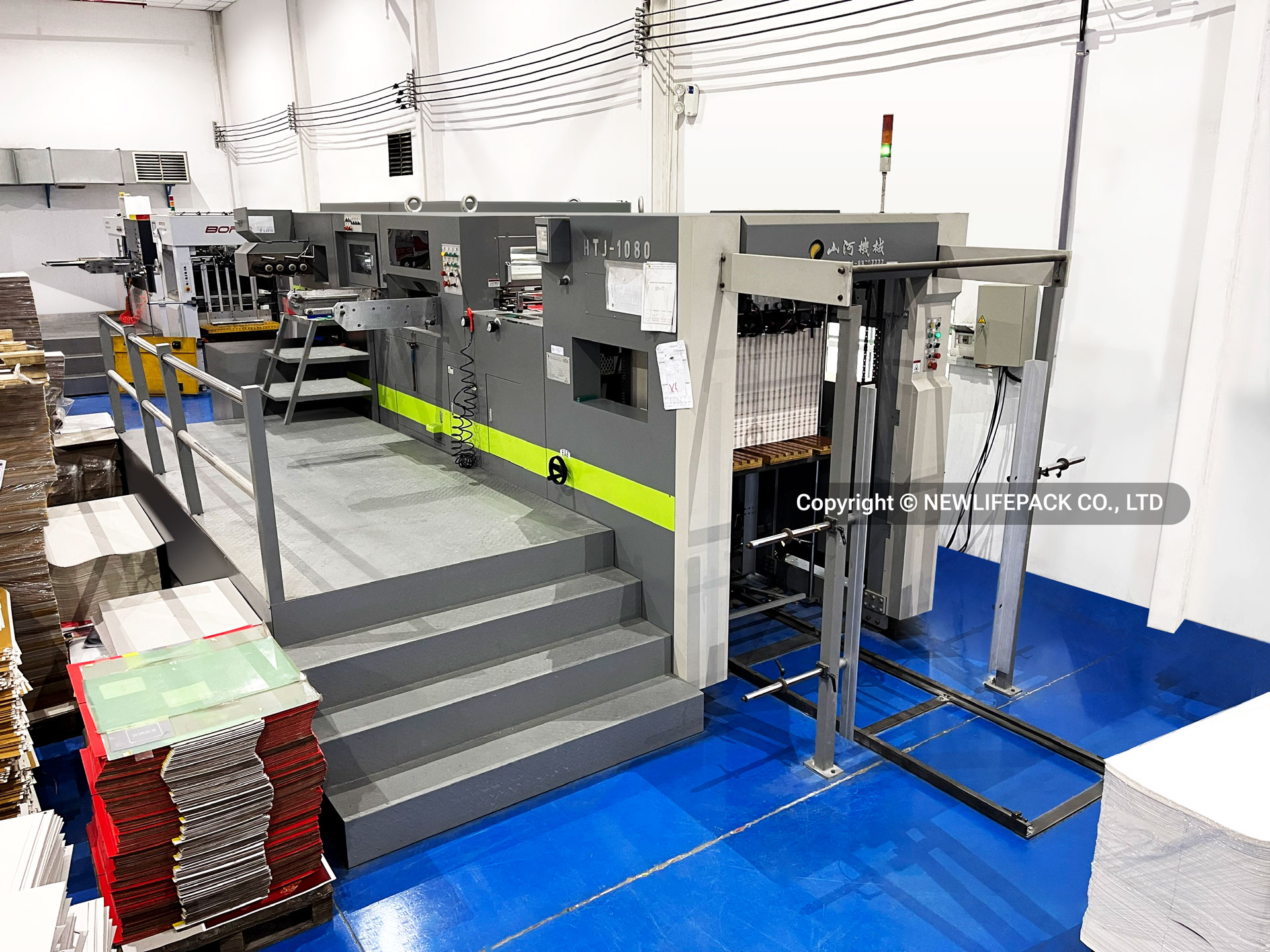
Outex HTJ-1080 Automatic Foil Stamping Machine
– Maximum sheet size: ~1080 × 760 mm
– Operating speed: ~6,000–6,500 sheets/hour
– Independent multi-zone heating system ensures stable foil transfer across large stamping areas
– Best suited for: large-area foil applications requiring high consistency and thermal control
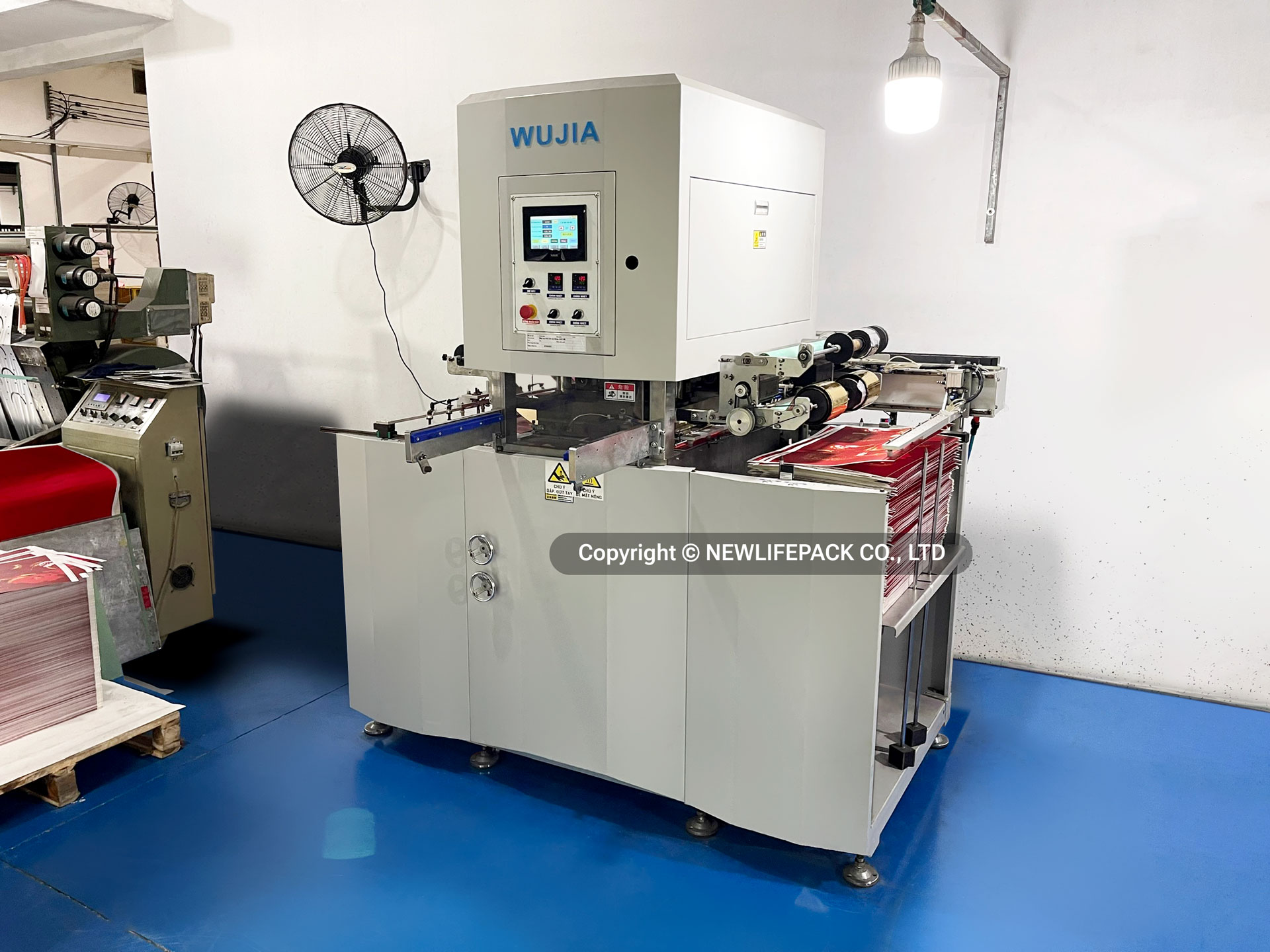
Wujia JXZC 80 Automatic Foil Stamping Machine
– Maximum sheet size: ~800 × 600 mm
– Operating speed: ~4,500–5,000 sheets/hour
– Best suited for: logos, large graphic elements, and complex foil layouts requiring stable pressure distribution
6.2. Overall Foil Stamping Capacity
Based on the current equipment footprint and a three-shift operating model, Newlifepack delivers reliable, scalable foil stamping performance:
– Maximum daily output: 200,000–250,000 finished sheets (depending on die complexity and foil coverage)
– Registration accuracy: ±0.05–0.10 mm
– Maximum foil stamping size: up to 1080 × 760 mm
– Supported effects: flat foil stamping, foil + embossing, sculpted (3D) foil, and multi-zone combination dies
Conclusion
Foil stamping is more than a post-print finishing technique. In premium packaging—particularly within Asian markets—it functions as a powerful visual language of prestige, craftsmanship, and symbolic value. This makes foil stamping especially relevant for Lunar New Year gift boxes, Mid-Autumn mooncake packaging, and high-end gift packaging, where perceived value and cultural resonance are critical to purchase decisions.
With nearly two decades of experience in printing and paper packaging, Newlifepack has established itself as a trusted production partner for leading brands, supporting the translation of design concepts into manufacturable, high-quality foil stamping executions.
Backed by a modern, in-house finishing infrastructure—including high-capacity automatic foil stamping and embossing systems—and a team of experienced technical specialists, Newlifepack consistently delivers precise, uniform, and durable foil effects at scale. This integrated capability enables brands to achieve visual impact, production reliability, and premium consistency across both seasonal campaigns and long-term product lines.
Newlifepack Co., Ltd.
Newlife Packaging Printing Company (Newlifepack Co., Ltd. – since 2008) is a leading manufacturer of Paper Packaging and a trusted provider of Custom Rigid Boxes based in Ho Chi Minh City, Vietnam.
Professional Packaging Manufacturer
Perfect color reproduction using advanced offset printing technology with the KOMORI Lithrone 6-color press
15,000 m² facility equipped with modern automation, capable of handling large orders with tight deadlines
Closed-loop production process: fully in-house, no outsourcing. Guaranteed stable quality and competitive pricing
Certified with: ISO 9001:2015, ISO 14001:2015, GMI, GSV, FSC, SMETA
Contact Us:
Headquarters & Factory: 68 Tran Van Cham Street, Cu Chi Commune, Ho Chi Minh City, Vietnam (Formerly: 68 Tran Van Cham Street, Phuoc Vinh An Commune, Cu Chi District, Ho Chi Minh City, Vietnam)
The year-end period—especially the weeks leading up to Christmas —consistently marks a surge in consumer demand for both gift-giving and self-reward purchases in Vietnam. This seasonal behavior serves as a key driver for occasion-based brands to refresh their packaging, launch Christmas collections, and introduce festive-edition designs that enhance on-shelf appeal and stimulate impulse purchases at […]
Combining material-efficient construction with Japanese-inspired aesthetics, the N-Shiki roll-end mailer (N式箱 / N-type Mailer) represents a forward-looking packaging solution for the fast delivery market in Vietnam. This article is copyrighted by newlifepack.com. Please share from this site or cite the source when quoting. 1. The N-Shiki Roll-End Mailer N-shiki (N式箱 / N-type Mailer) is […]
Leveraging our high-speed mass-production line for Collapsible Rigid Boxes (可折疊硬盒), Newlifepack introduces the Collapsible Tet Gift Box with Ribbon Tie and Magnetic Closure — a smart, modern packaging solution engineered to optimize both product aesthetics and supply-chain efficiency. This article is copyrighted by newlifepack.com. Please share from this site or cite the source when quoting. […]
Tết Nguyên Đán — the Vietnamese Lunar New Year, commonly known as Tet — is deeply rooted in the tradition of gift-giving, a way to show respect, send wishes of prosperity, and express heartfelt sentiments. As modern life accelerates, Tet Gift Boxes have become the smarter choice for the season — offering sleek, elegant designs, […]
Sales Policy Effective Date: July 1, 2025 Newlifepack’s Sales Policy is designed to foster long-term, collaborative partnerships with our valued customers by delivering high-quality packaging solutions, transparent workflows, and dedicated, professional service. This policy clearly outlines the terms and conditions related to order placement, quotations, payments, production, delivery, claims resolution, and other customer support […]
In the printing packaging industry, selecting the right type of paper plays a pivotal role — not only in defining aesthetic value but also in determining durability, product protection, production costs, and overall brand communication effectiveness. Each paper type features its own physical and technical characteristics — from print surface, thickness, and stiffness to post-print […]
Imagine strolling through the aisles of a familiar supermarket, surrounded by shelves brimming with goods. Amidst the sea of colors, textures, and shapes, the world of paper packaging quietly reveals itself—diverse, yet often hidden behind every familiar product. From cookie boxes and premium gift sets to large corrugated cartons, these silent carriers are designed not […]
Corrugated Boxes are one of the most revolutionary inventions in the packaging and logistics industry. Their greatest strength lies in the ability to balance two seemingly opposing qualities: optimal product protection while remaining lightweight and easy to handle—thanks to intelligent structural design and durable, flexible corrugated paperboard. With advances in printing technology and modern finishing […]





 Quick Comparison: Metallic Foil vs. Pigment Foil